New York Is (Finally) Building Beautiful Skyscrapers Again
- Youtube Views 3 VIDEO VIEWS

29 July 2026
Video hosted by Fred Mills. This video contains paid promotion for Rayon Design.
NEW YORK is home to some of the world’s most beautiful skyscrapers. It’s a city that knows how to make a structure that’s revered globally.
Or at least it did but then something changed.
Easier to develop, build and replace, glass towers have taken over a large swathe of the New York skyline. They’re synonymous with the glittering modernity of NYC; the backdrop for countless famous films and TV shows but on their own they can be hard to tell apart.
While New York's skyline is still iconic, it's hard not to miss when the city was building skyscrapers like the Empire State, the Chrysler or the Woolworth Building. However, the Big Apple might just be getting its mojo back thanks to 520 Fifth Avenue.
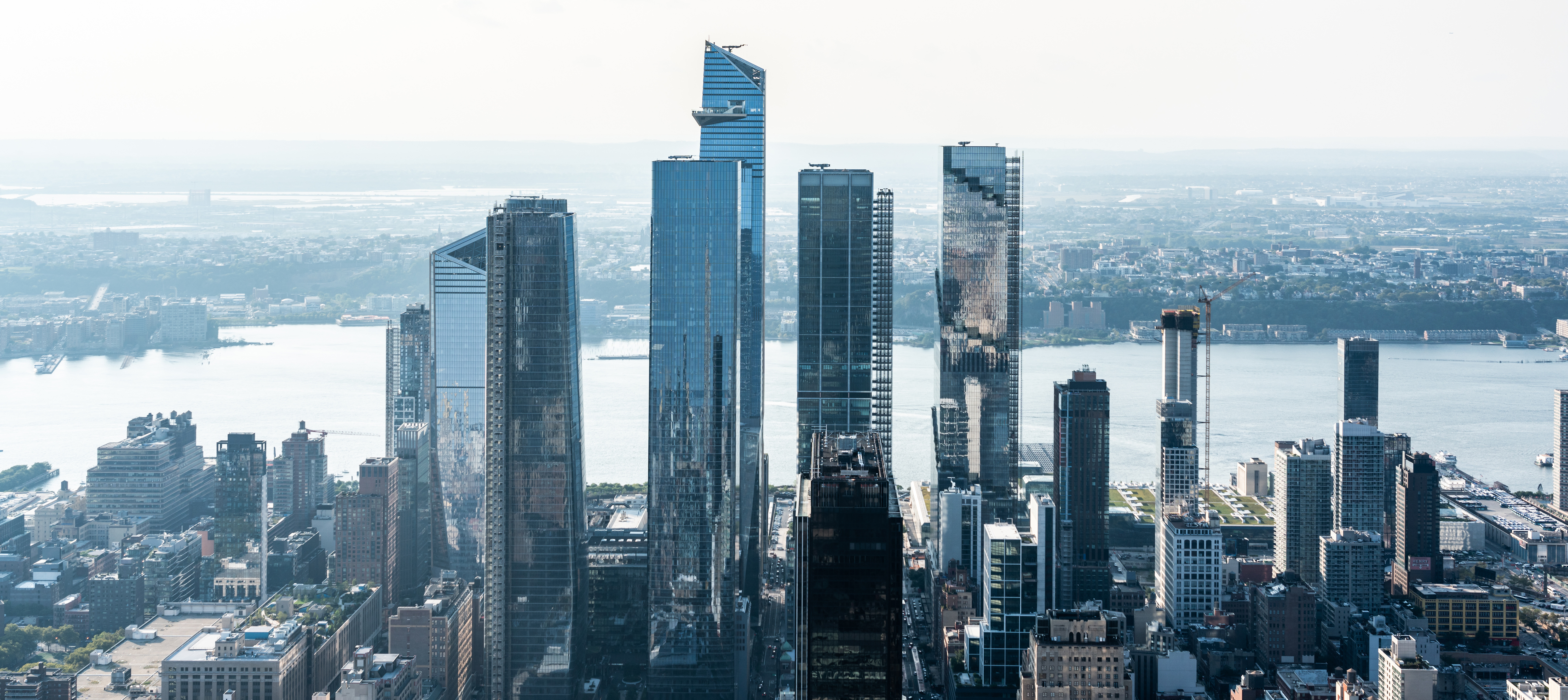
Above: New York is famed for its skyscrapers but the city is now covered in glass towers.
The making of Fifth
In 1850, long before America cracked the supertall skyscraper, New York City was going through a major transformation. It was an era defined by Tammany Hall, the New York City Police Riots and massive population growth. The number of New Yorkers increased by nearly 60% over the decade.
This was the dawn of Fifth Avenue, the now world-renowned millionaires' row. In mid-19th century Manhattan, New Yorkers with money to burn established it as an elite hub by building these big, lavish mansions. As Christopher Bonanos, city editor of New York Magazine explains, they set the foundation blocks for what would come:
"120 years ago, Fifth Avenue was a row of mansions heading north from the New York Public Library but they’re all gone now. The development of the early 20th century was such that mansion buildings came down and office buildings went in with ground floor retail."
"The very rich people, who had mansions on Fifth, moved uptown or to the side streets, or in some cases to apartment buildings. There was the dreaded income of commerce which was considered beneath them at the time."
Packed into those lower floor retail units, the world’s plushest brands flooded to set up shop along this revered passage and so, the modern Fifth Avenue was born. Fast forward to 2023 and this road was home to the most expensive retail rents anywhere on the planet.
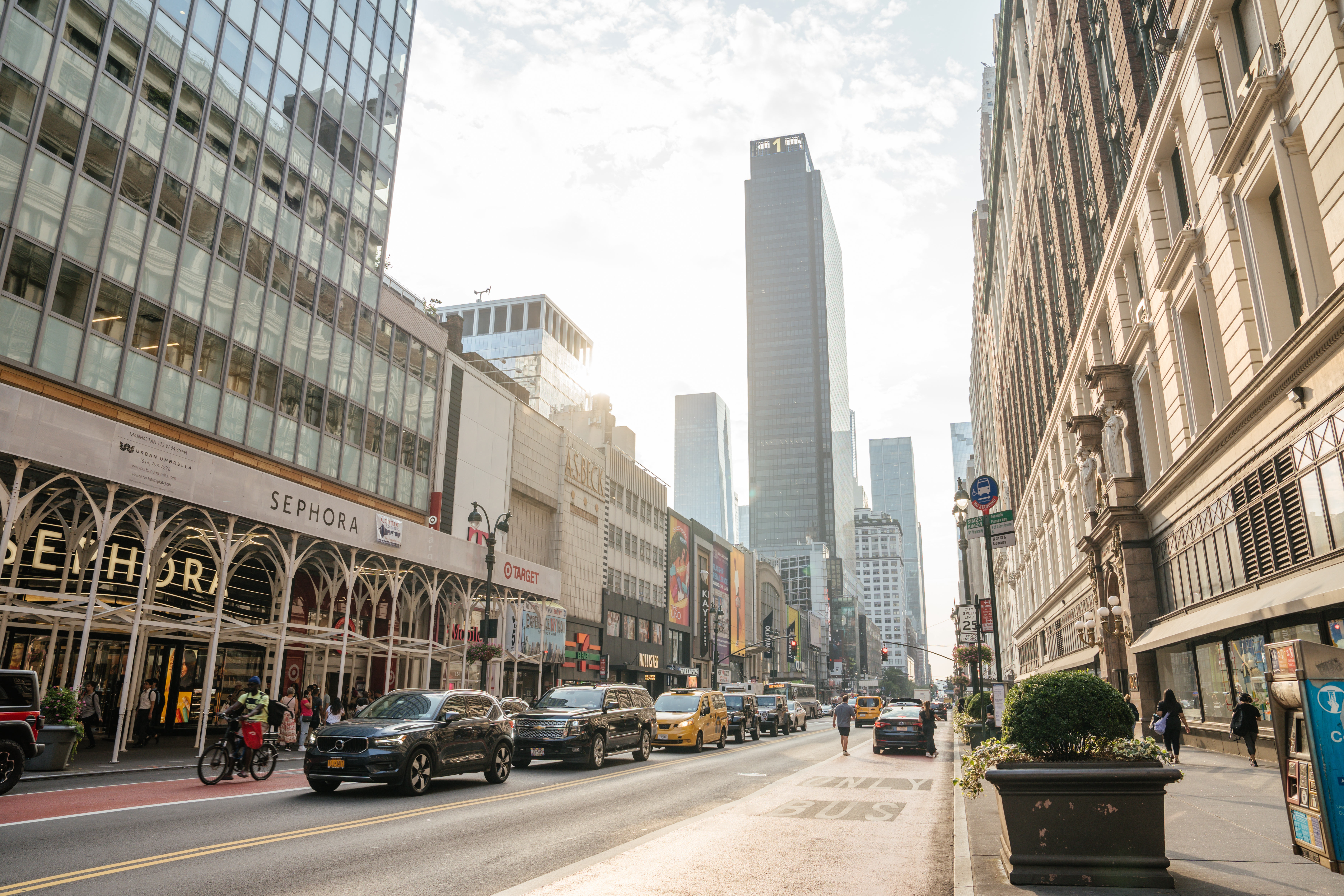
Above: Fifth Avenue is home to some of the world's most luxurious retail brands.
Fifth Avenue's new darling
On the corner of 43 St and Fifth Avenue, 520 is prime real estate. Fifth Avenue slices through the centre of Manhattan, lining the world’s most famous urban green space: Central Park.
About a five minute walk to Grand Central, New York’s new darling is the result of a very specific set of conditions. Wedged amongst a cluster of low lying, landmarked buildings, with air rights up for grabs, this prime spot is on the corner of an intersection along the world’s fanciest commercial corridor. It's an incredibly rare development opportunity but what’s even rarer is that this building is gorgeous.
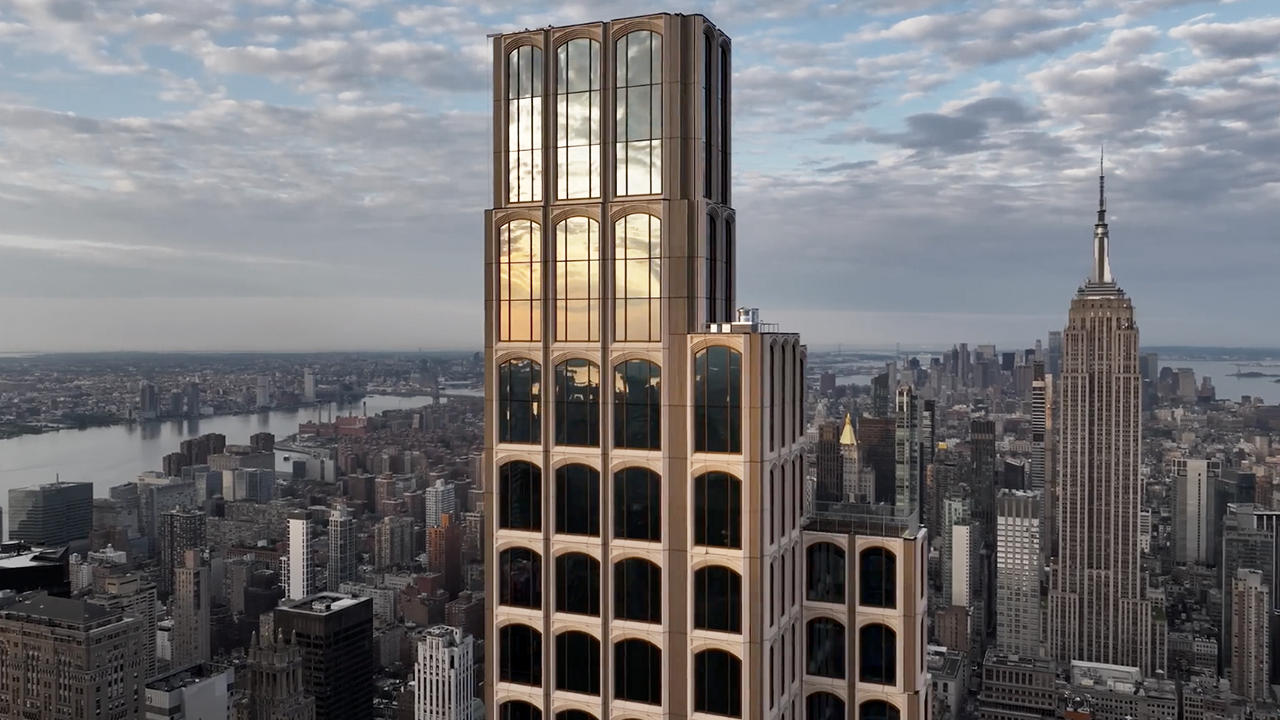
Midtown Manhattan is littered with boxy, characterless office towers. Amongst them, 520’s terracotta facade and high reaching arched windows stand out as a nod to the beaux-arts buildings and limestone mansions found here more than a century ago.
"Lately, there’s been a move back toward masonry skins on skyscrapers", says Bonanos. "For one thing, I think people are tired of seeing the same thing because there have been so many glass towers put up."
"There’s a reason architects call it the international style. It’s because you see it in many cities and many places and there’s at least a consistency, if not a sameness, and I think people are craving something distinctive. By people I mean both people who see them on the street and people who are building them. If you’re a corporate CEO commissioning a big tower, you might want something that tells people you’re different."
Almost two centuries ago, 520 was one of the first dedicated shelters for homeless black children in America. Three decades later, in 1863, it was burned down during the New York Draft Riots. Since then it has been home to an antiques shop, an art gallery and, of course, a myriad of office buildings but creating the tower of today took decades. Originally, the site consisted of three separate buildings owned by two different people. Tahl-propp Equities owned 520 Fifth and Aby Rosen owned 516 and 518.
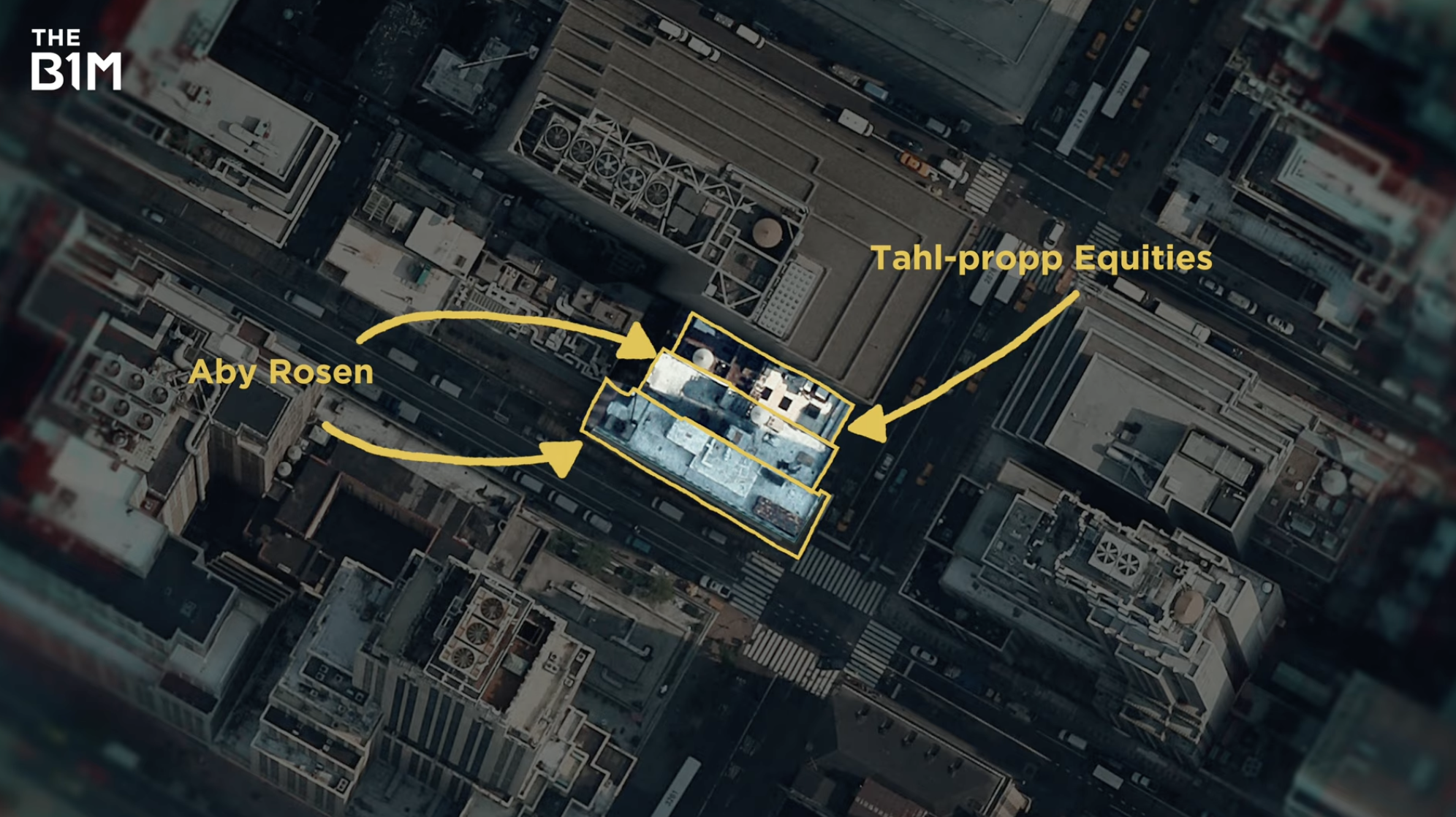
Above: 520 Fifth Avenue was originally comprised of three different buildings.
Seeing the potential value in one larger, combined plot, they formed a partnership meaning they could either develop or sell all three sites as one. Plus, Rosen’s company, RFR Holding bought air rights from nearby landmarked buildings in 2007, giving any tower constructed on the 520 footprint freedom to climb sky-high.
However, thanks in no small part to the Global Recession, by 2009 a legal battle broke out between the partners. Over the decade that followed, 520 Fifth Avenue passed through numerous hands and experienced multiple redesigns, before the original buildings on site were eventually demolished. Construction finally began in 2022.
A real challenge
520 Fifth Avenue might look entirely different to the other skyscrapers rising in the city but at the same time, it’s still a supertall, super slim, luxury tower. It's home to 100 fancy apartments across 37 floors, 25 levels of offices, retail spaces and a private member’s club. It should go without saying that it isn’t for the average Joe.
Its beaux-arts design takes cues from classic New York landmarks. Around the city you still see the remnants of an era defined by the 1916 Building Zone law - a ruling which limited how you could construct a tower to protect air and light at street level. Hence, the stepped designs.
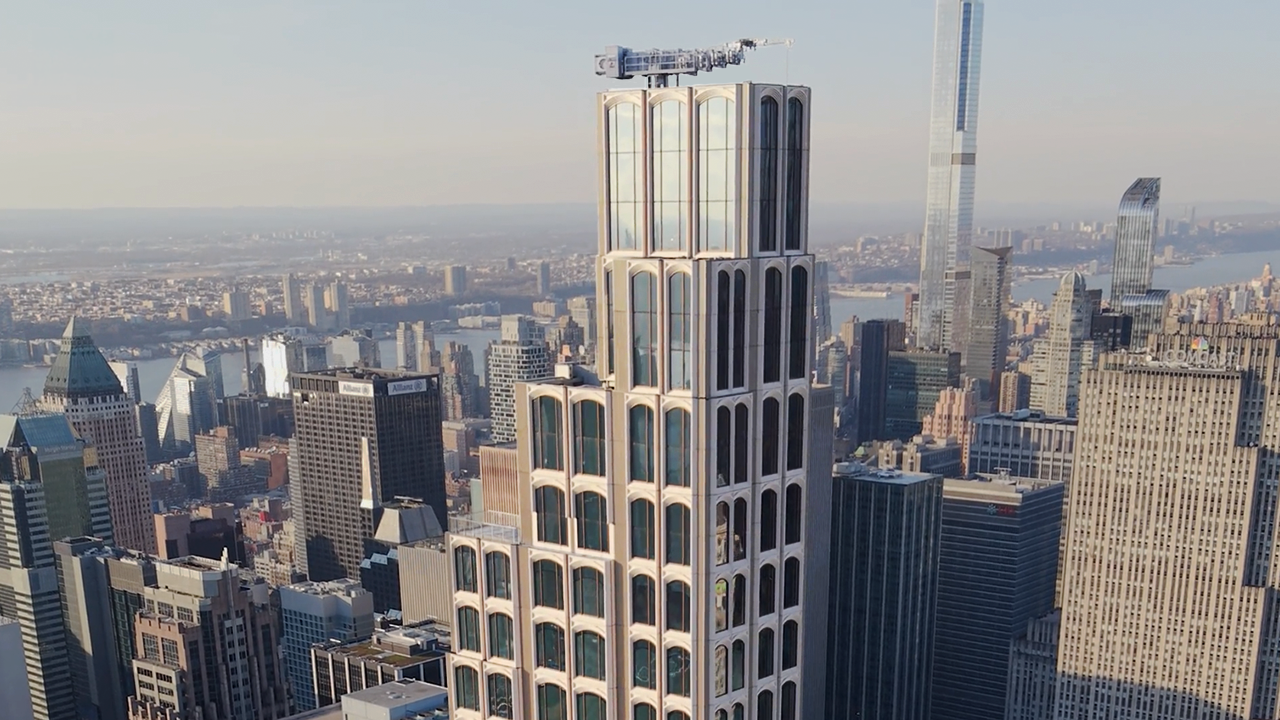
Above: 520 Fifth Avenue is covered in beige terracotta and fluted metal, nodding to New York buildings of years-gone-by. Image: Kyle Tillyer.
520 is clad with beige terracotta at the base and fluted metal treated to look like terracotta as it climbs. In total, the tower is covered in 5,500 curtain wall panels. Stretching up the facade are massive arched windows that, at the upper end, look over Central and Bryant Parks. Before the wide adoption of glass, limestone and masonry were incredibly popular. 520 is harkening back to that era but with a modern twist.
"520 Fifth is largely sheathed in terracotta which is a material we haven’t seen a ton of in New York for 80 years", says Bonanos. "The particular idiom of this building is that it uses architectural terracotta in simplified forms compared to the old stuff."
"When you look at the old buildings, probably the archetypal one is the Woolworth Building, gothic cathedral detail, cast in terracotta and glazed, dripping in ornament. This time the ornament is much simpler, it's more geometric - it’s mostly a series of arches on each floor."
520 may look a bit old school externally but internally, it’s still a modern interpretation of a supertall skyscraper. When the Empire State Building was constructed crews relied on a structural steel frame which bears the vast majority of the building's weight and it's coated in beautiful limestone and masonry walls.
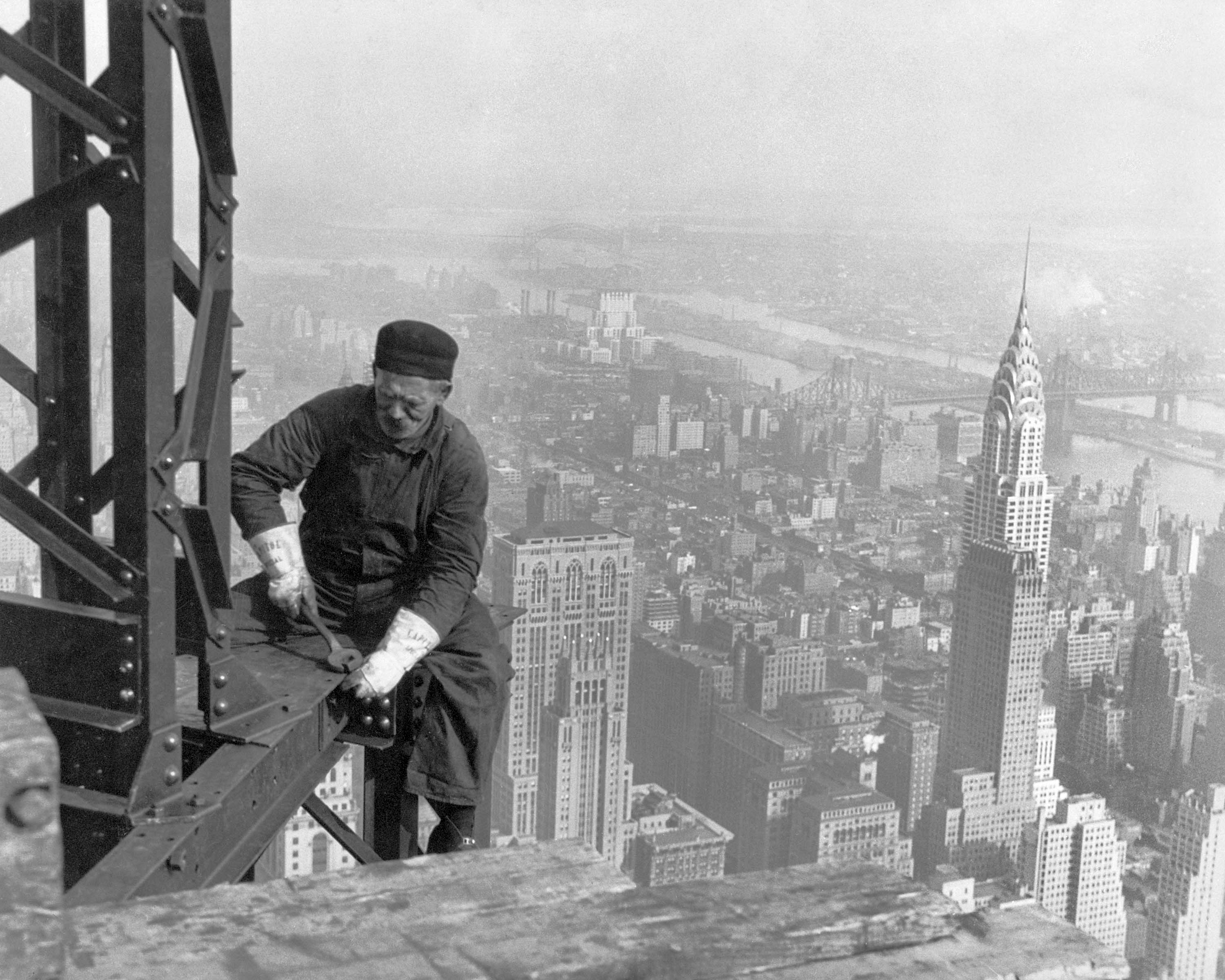
Above: The Empire State Building was constructed with a structural steel frame and coated in masonry walls.
Meanwhile, the towers of today, including 520, are often built around a reinforced concrete core and concrete slabs, supported by columns made from - you guessed it - more concrete. The core is strengthened by shear walls, rebar and link beams cast from concrete and steel.
Belt floors at levels 32 and 52 tie the structural columns together to reduce sway, offer stability to the tower and provide space for mechanical equipment. The spiralling setbacks create a wider base for the office and retail spaces, allowing the building to slim as it rises to create more premium apartment floors. The top of those setbacks create balconies for office workers and well-to-do residents to look out over the concrete jungle but this plot is pretty tiny.
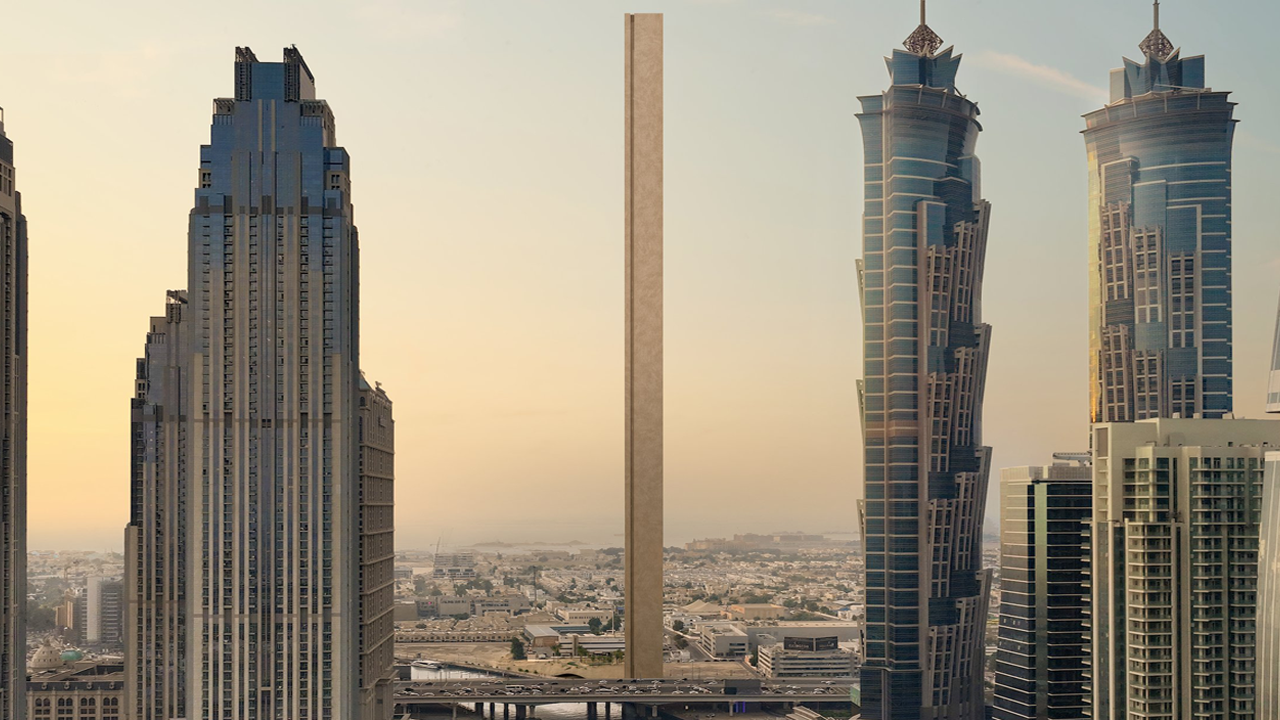
520 reaches 305 metres tall and yet its footprint is just 10,625 square feet. By comparison, the Chrysler Building rises just 14 metres higher but has a footprint more than three and a half times larger. At street level 520 is only 26 metres wide but as we know, it rises to 305 metres making its height-to-width ratio 12:1.
This is one of Midtown’s busiest intersections meaning there was no chance of closing roads during any stage of construction. Crews were faced with an incredibly tight site, with very little room for storing materials or setting up work. That meant the process had to be meticulously planned with every swap of a crane carried out with military-like precision.
To tackle the constraints of the site, crews regularly used hoists to lift materials and limit how long they took up space on the ground, alongside creating a customised shoring system to take up as little room as possible. Material drop offs were planned to maximise efficiency and with 6,000 tons of rebar, a thousand tons of steel and nearly 30,000 cubic yards of concrete making up this glossy new tower, there were a lot of deliveries.
But the undoubted headaches this caused for project planners have absolutely been worth it. 520 Fifth Avenue certainly looks the part and we’re delighted to see New York’s architects flexing their creative muscles.
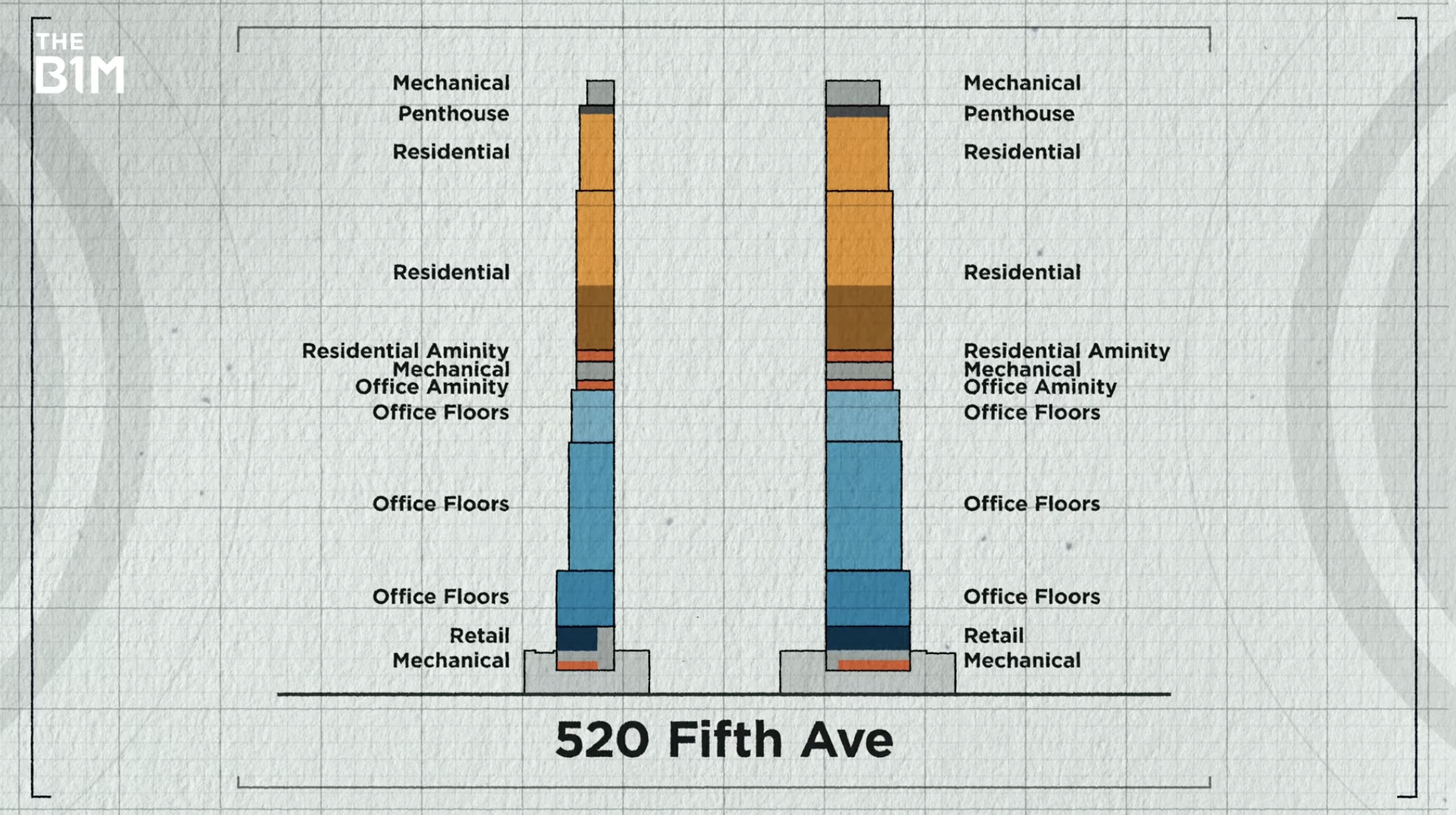
Above: 520 Fifth Avenue offers 100 apartments across its 305 metres.
The stunning terracotta facade, the throwback to architectural themes of years gone by and quite simply, a building with character rising in Midtown.
Its legacy may be tinged by the tarred brush of luxury supertalls in New York but don’t be mistaken - this tower proves it’s still possible to build stunning skyscrapers in New York. And really, doesn’t that sound like something worth celebrating?
Rayon is the all-in-one, effortless CAD tool for going from concept to completion. Try it (for free) here.
Additional footage and images: the Dronalist, KPF, Disney, Alubuild USA, a Tower Holdings Group company, Kyle Tillyer, SELLING NEW YORK, Warner Bros, Paramount Pictures, Musuem of Modern Art, Samson Katt and Mike Peel.
We welcome you sharing our content to inspire others, but please be nice and play by our rules.
Comments