
Why Nobody Wants the Chrysler Building
- Youtube Views 1,888,614 VIDEO VIEWS

06 May 2026
Video hosted and narrated by Fred Mills. This video contains paid promotion for FJDynamics.
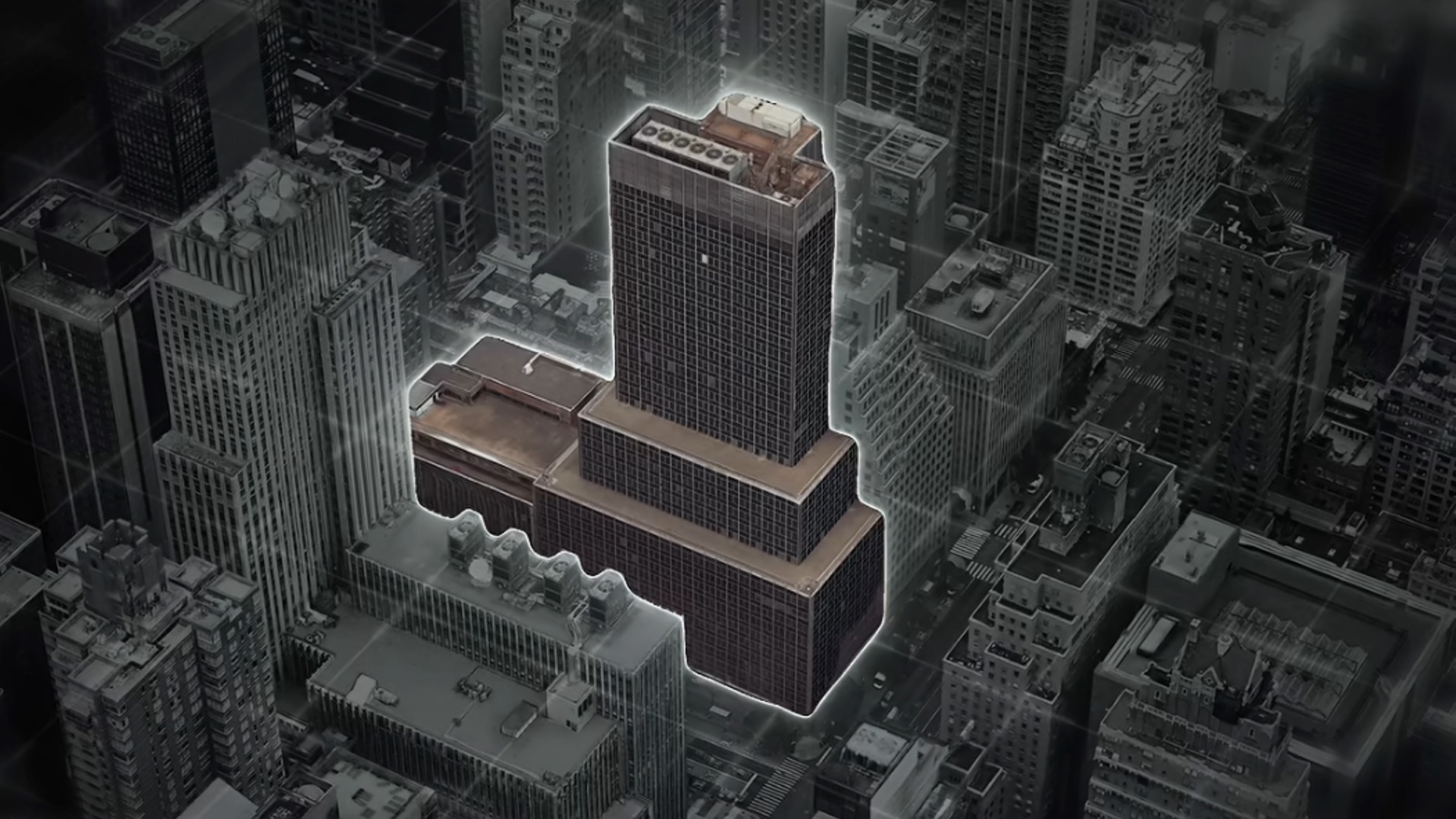
THE CHRYSLER Building is in trouble. The venerable skyscraper is falling apart. Its value has plummeted from $800M to $150M. And it’s for sale… again. In fact, this is the third time the building has been up for sale since 2019.
Inside, things aren’t much better. There’s brown tap water, broken elevators, and crumbling offices. And all of this has been made worse by a complicated New York landleasing law bankrupting this iconic structure’s owner. The question we hate to ask is… could this be the end of the Chrysler Building?
Who owns the Chrysler Building? (It’s complicated)
So before we get started there’s one very important thing you should know. Whoever owns the Chrysler Building only owns the building itself. Not the land underneath it. That’s owned by someone else entirely.
“The interesting thing to know about ownership in Manhattan, in many cases, is that oftentimes the person who owns the building is separate from the person that owns the land,” explains Hiten Samtani, Publisher at The Promote.
This means the owner of the building has to pay rent to the owners of the land. This complicates the ownership structure of the skyscraper tremendously… and it’s already very complicated. So… who exactly owns the Chrysler Building? It’s probably not who you think.
Your first response would probably be, well, the Chrysler family right? Or the car manufacturer? And yes. They did own it… once. It was originally built and owned by the company’s founder, Walter Chrysler in 1930 -and not by the Chrysler Corporation itself. Walter Chrysler intended for the iconic skyscraper to remain a family asset. And indeed it did… until 1953, when it was purchased by developer William Zeckendorf - the man behind the UN headquarters and responsible for reshaping much of Manhattan during the 50s and 60s. He wanted the building as a trophy.
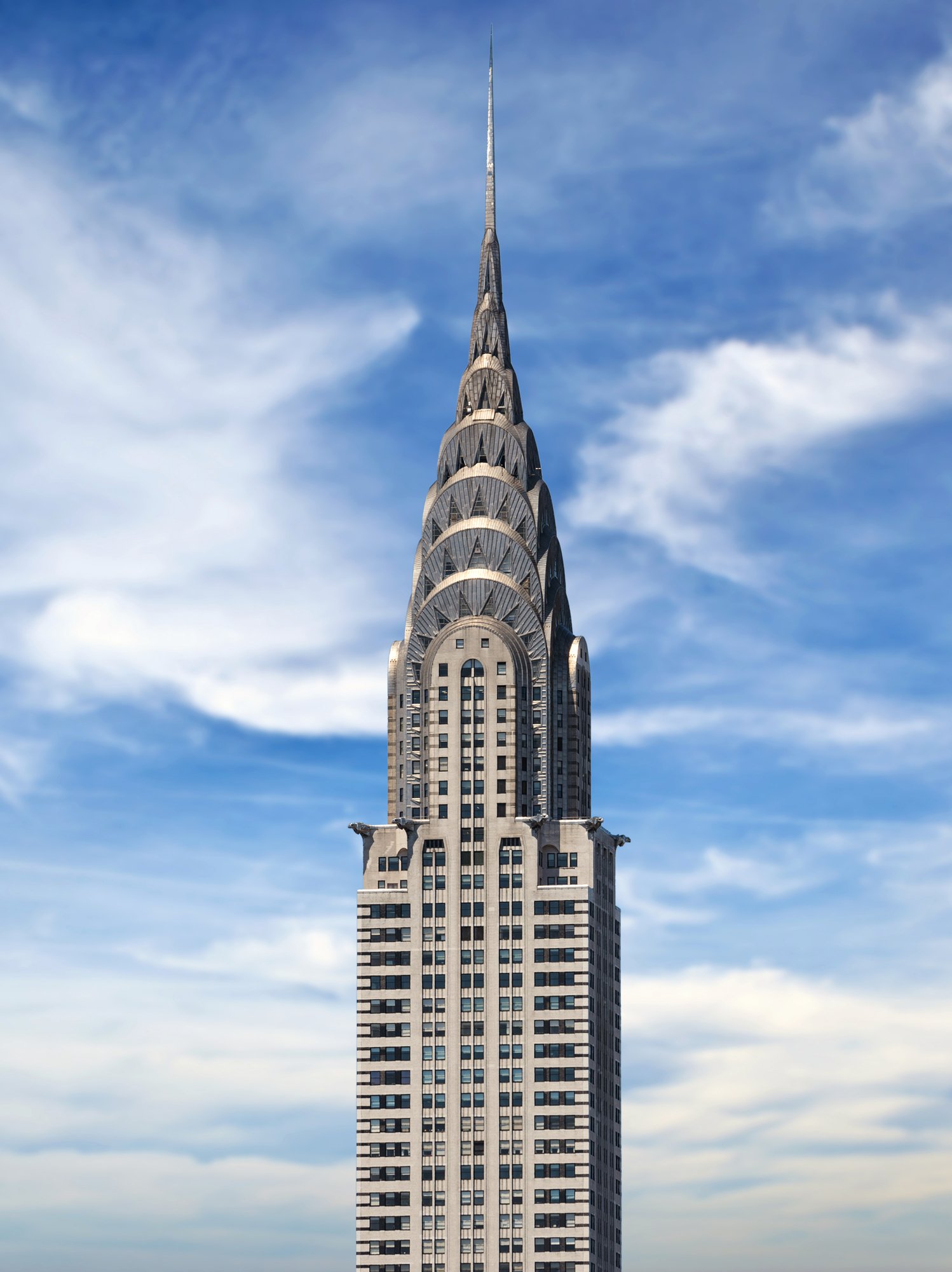
Above: The Chrysler Building in all its glory.
After him ownership passed through several investors during the 70s, New York’s turbulent real estate era. Eventually, in 2008 it ended up owned by an Abu Dhabi investment fund. RFR then defaulted on their loans and went into receivership in 2024. As of 2025, it is effectively controlled by RFR’s lenders and the building is, once again, for sale. Part of the reason for RFR defaulting on their loans was because the rent for the land became: So. Incredibly. Expensive.
In 1902, before the Chrysler Building. Before, well, much of New York as we know it today, this parcel of land was bought by Cooper Union. Cooper Union was a private college founded in 1859 by industrialist and philanthropist Peter Cooper. Known, ironically, for its schools in architecture and engineering. The land was bought as a way to help fund the college.
“Because of this asset and the rent, they've been able to collect millions and millions of dollars over the years,” said Samtani “They are able or have been able to keep the school free for a long time.”
This land leasing agreement continued when the Chrysler Building was sold to a new owner. In fact, not only did it continue, it increased. A lot. Today, whoever owns the building has to pay $32.5M annually to Cooper Union. And that’s set to go up. In 2028 it will be $41M a year, and in 2038 it will be $55M.
Originally the owner of the Chrysler building mostly made a profit by leasing out offices. But, perhaps somewhat surprisingly, nobody wants an office in the Chrysler Building anymore. At least not in its current state. So with occupancy low, the owners can’t charge enough to cover the rent they owe Cooper Union.
“It's been on and off the market over decades. I think it's a building that encapsulates everything that is decadent and depraved about New York real estate. It pulls in and has pulled in global capital from every corner of the world. It has been the source of severe distress for some of the biggest players in the market, both domestically and globally. It's just a tough asset.”
All of this is pretty damning as it stands, but there’s a more pressing issue still. The iconic Chrysler Building, a standout example of Art Deco style…needs some serious work. When you consider it’s almost a century old, maybe that comes as no surprise. Internally, there are reports of brown tap water, lifts breaking down, and electrical work not up to par. New York’s Eiffel Tower is falling apart, and nobody wants to take responsibility for it. Whatever happens, whoever ends up buying the Chrysler Building, some serious renovation work is going to need to happen.
Building a symbol
It’s a bit of a tragedy. The origins of the Chrysler Building don’t exactly match its less than stellar present. This building was the crown of the roaring twenties. Manhattenites watched it soar up their skyline with anticipation. But its design - and height - were the result of intense competition. The rivalry of two former business partners: architects Craig Severance and William Van Alen.
Severance landed the commission for the Manhattan Company Building - today known as the 40 Wall Street - while Van Alen was hired to design the Chrysler Building. What followed wasn’t just business, it was a battle to dominate New York City’s skyline. Both architects were locked in a race to deliver the tallest building on Earth. And as the steel climbed higher in Lower Manhattan and Midtown, it became clear: neither man was willing to lose.
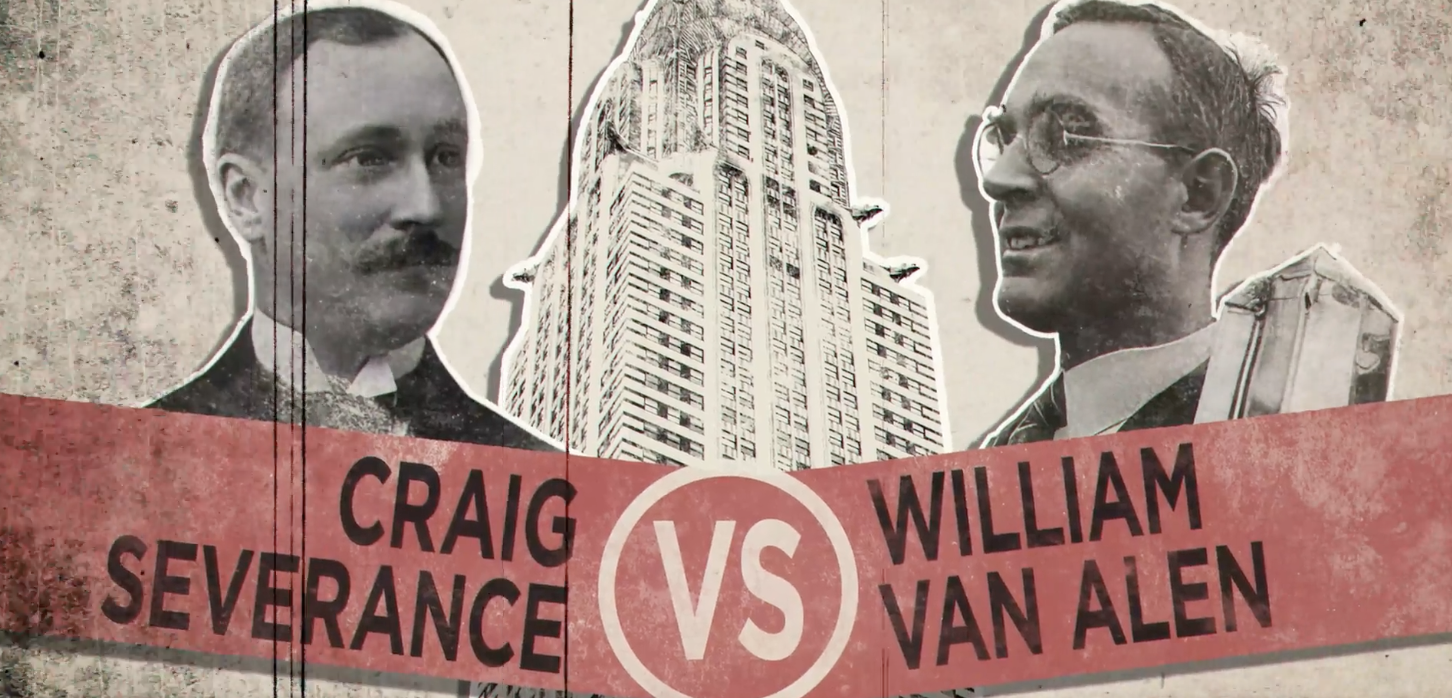
Above: It was a tight race to build the tallest in the world.
As both towers rose, the rivalry turned ruthless. Plans were leaked. Drawings were scrutinised. Each side watched the other, desperate for an edge. At 40 Wall Street, extra floors were piled on in a bold - and risky - bid to outdo its Midtown rival. The structure was pushed close to the limits of its foundations. And for a brief moment, it worked. When it was completed in 1930, 40 Wall Street was the tallest building in the world… For about a month. Because uptown, at the Chrysler Building, Van Alen had one final move.
Hidden inside the crown was a secret spire - assembled in sections, out of sight. Once 40 Wall Street topped out, the spire was hoisted through the roof and locked into place, adding 36 metres in a single stroke. Overnight, the Chrysler Building claimed its crown. But it wasn’t just its height that captured the world’s imagination. Walter Chrysler had asked Van Alen for several car-centric amendments.
There were the gargoyles on the facade that were inspired by the hood ornaments on the Plymouth. Similarly, ornaments on the 31st floor were modelled off Chrysler radiator caps. Then there’s the crown, unlike any other crown on any skyscraper before or since. The iconic starburst wrapped in Nirosta stainless steel. The triangular, radiating arches resemble stylized hubcaps from Chrysler cars of that era.
A bygone era
The building was the tallest in the world… for 339 days. It was then eclipsed, just like 40 Wall St before it, this time by the Empire State Building. Today, it’s fair to say the Chrysler Building has lost some of its shine. The surrounding Midtown skyline has evolved, with glossier, larger office buildings drawing tenants away.
Once a symbol of architectural glamour, the building now suffers from empty office and retail spaces, with large portions of the ground floor and lobby unoccupied or underused. Tenants and visitors report outdated interiors, maintenance issues, and a lack of modern amenities, making it less competitive with newer Midtown towers.
“This is a great building, but it also needs a lot of love,” explains Samtani. “Like it needs a lotta work to be brought into the 21st century so that it can compete for A-plus tenants with the likes of all these new buildings popping up around in New York. You know, it's a gorgeous building to look at, but would you want to work here? Maybe right now, not so much."
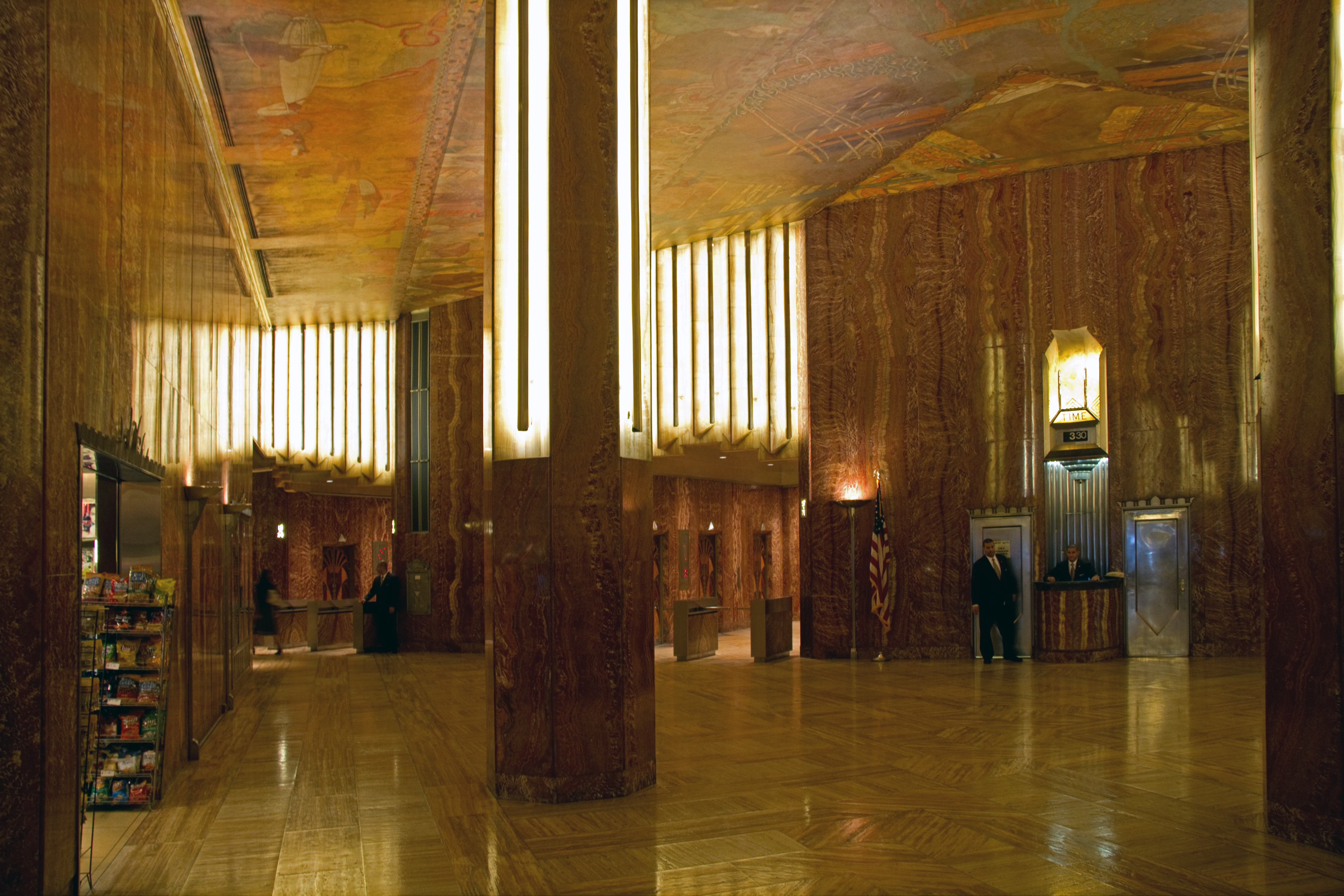
Above: The lobby of the Chrysler Building. Tony Hisgett.
Despite its heritage listing and status as a National Historic Landmark, the Chrysler Building does not receive direct government funding for heritage protection or maintenance. Instead, the bill sits with the building’s owners. And given the building needs a lot of upkeep, those costs could be steep. There’s the deteriorated lobby ceiling, which is oftentimes covered in tape. The revolving doors regularly jam, the lifts are prone to malfunctioning, and there are even reports of mice and other infestations. While mice are a common problem for any building in a big city, ongoing pest control challenges unfortunately indicate gaps in modern sealing and maintenance.
But, much of the bigger issues are to do with the exterior. That iconic, record-stealing spire is leaking, and in desperate need of restoration. The original 1930s steel-framed windows and masonry walls leak air and, unsurprisingly, are pretty poorly insulated. We mentioned those reports of brown water earlier, and they’re likely and due to corrosion or supply issues.
“The question becomes, is the Chrysler building a world class place where a top tier tenant would pay top dollar?” adds Samtani. “And the answer at the moment is absolutely not. So any new owner that's coming in has to also kind of sign up for both the financial and brain damage cost. Of upgrading the building and bringing it into the 21st century.
“Their estimate is this is going to be a 150 to 200 million dollar job to get this building up to snuff.”
Because the building is landmarked, any exterior or interior changes require approval from the city’s Landmarks Preservation Commission. So, what could the future look like? Well there is a bit of a precedent for retrofitting old, iconic buildings to suit the present. Let’s look to a city absolutely jam packed with huge, historic buildings: London.
London leading the way
One of the most famous examples in recent times is Battersea Power Station. You might recognise it from the cover of Pink Floyd’s Animals… or when it was used as wreckage in The Dark Knight. It’s the last part many Londoners will be familiar with, because for the better part of the 21st century, this iconic building - the largest brick building in all of Europe - was left abandoned.
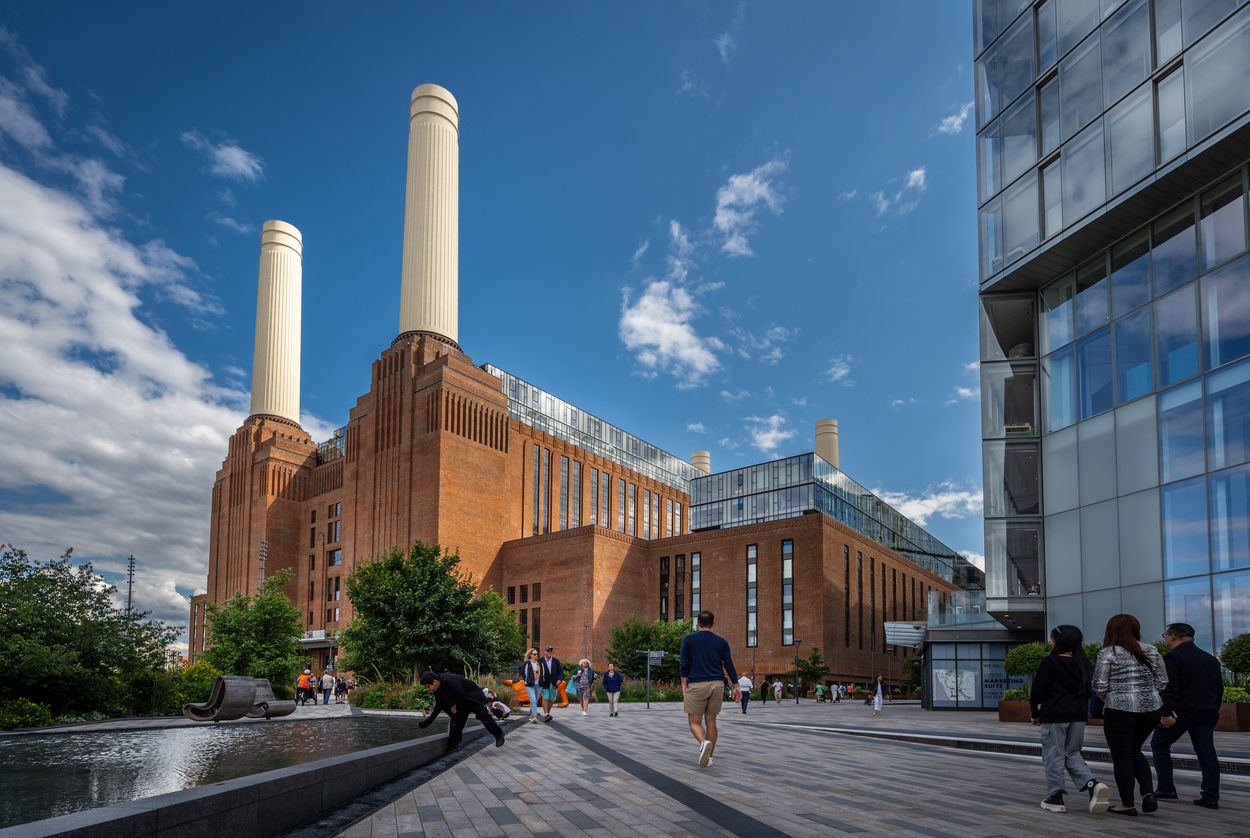
Above: Battersea Power Station has new life breathed into it.
Battersea Power Station wasn’t demolished, largely because it was granted Grade II listed status in 1980. That legal protection meant restoration. As one of London’s most recognisable industrial landmarks, its cultural significance ultimately secured its future, even after decades of dereliction and a string of failed schemes. By becoming a mixed used destination, the power station was able to fund its own survival. Today, Battersea Power Station is a thriving hotspot for the city. But there’s even more apt examples not far from the Chrysler Building itself.
New York icons, reinvented
The Flat Iron Building, first completed in 1902 as an office building is currently being retrofitted into residential apartments, developers working around the famous triangular floorplan
Notoriously, the Woolworth Building, which was also once the tallest building in the world, converted its top floors into a luxury penthouse… and then sold that for $110M. That’s more than a few hundred times the US median home price. An insane price tag, but one that would certainly go a long way to helping fix the Chrysler Building's financial woes. Imagine living in the most famous crown in the world?
“The Woolworth building famously underwent a condo conversion on the top floors, but it's been a complete disaster of a condom conversion,” explains Samtani.
“There have been others that are seemingly more promising. The flat iron building, again, another iconic building, so synonymous with the New York skyline, that is being converted to boutique condos. And so far sales have been pretty promising.”
This is a problem we’re going to be seeing a lot more of. For the first time in history we’re seeing century-old skyscrapers. And we can’t just tear them down. First off, it would be tremendously difficult to knock down any of these buildings. These first skyscrapers were over-engineered… because nothing had been built this tall before. They have massive steel skeletons while stone, brick, and stainless steel cladding were chosen for intense durability.
Secondly, skyscrapers like the Chrysler Building are protected. Even if there is temptation to build something taller with more sellable space, this could only happen if the building became sound beyond repair. What’s more likely is the interior could be retrofitted, like Battersea Power Station or the Woolworth Building.
“We've certainly seen a flurry of office to residential conversions in parts of Midtown, right? We've seen that all over.
“The Manhattan Office Market is in a golden era right now. Net absorption, which means the amount of space that was leased. The net amount of space that was leased is that the highest has been in a quarter century.”
This means that the office is back, especially in Midtown. Maybe all the Chrysler Building needs is a little love?
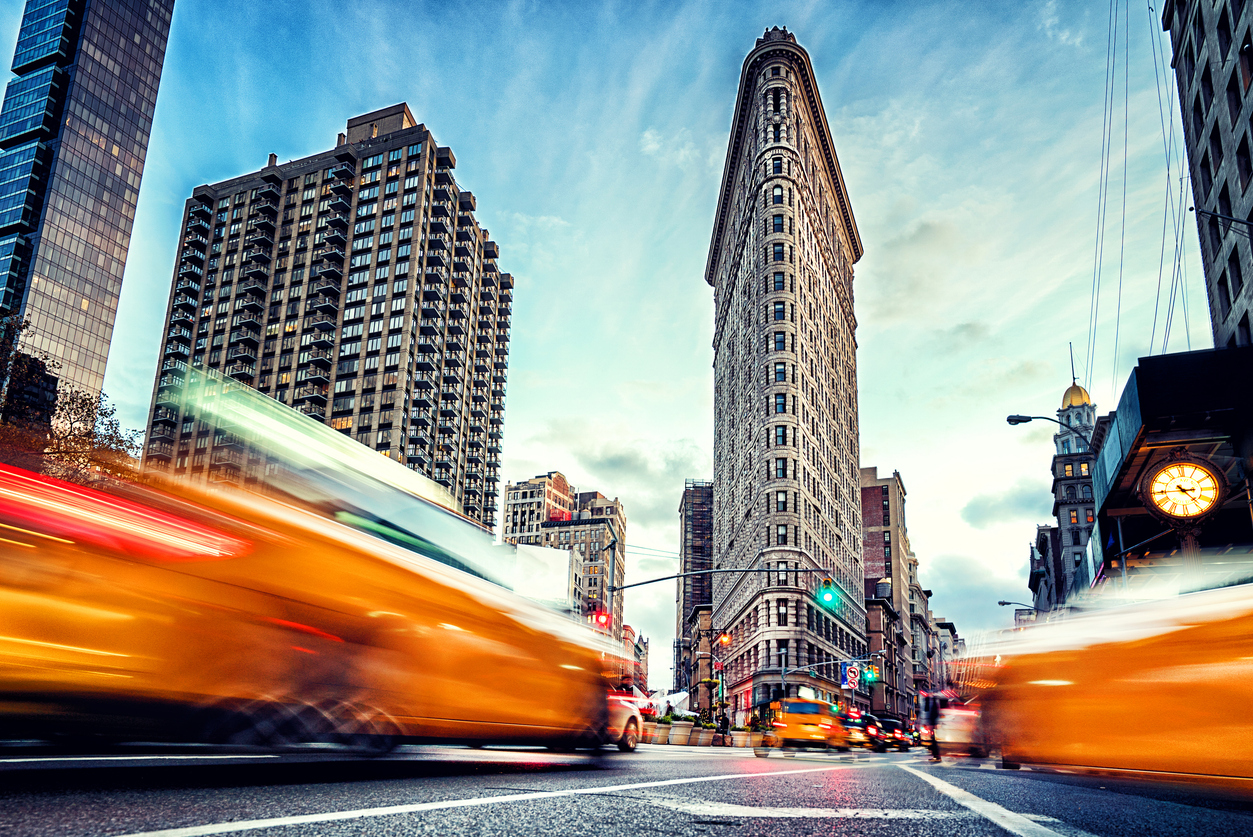
Above: The famous Flat Iron Building.
“There are certainly things you could do like put in Top-tier restaurant concepts, maybe do some really innovative things with the retail Plaza depending on who the buyer is and what they have access to. But if you run it as office, you can still make this work.
“This is the freaking Chrysler building. I mean, this still has cachet. This is, you can imagine a top tier hedge fund or a financial institution. Of some kind, or even a tech company saying, hey, you know what, my offices are at the Chrysler building.”
State of play
So what’s happening now? One of the building’s former owners, developer Tishman Speyer, is eyeing it up again. Tishman Speyer first took ownership in 1997 for a cool $220M and undertook its most recent renovation in 2000.
Back then, the real estate investment company spent $100M carefully restoring the skyscraper’s art deco motifs, while upgrading core systems.
“Tishman Spire, who was one of the buyers or one of owners in the late 90s, actually brought Abu Dhabi in, stayed on as custodian and part owner of the building until very recently. They're rumored to be back in the mixed here, and if they buy it, it'll be really interesting, because obviously, they know the building.”
The Chrysler Building could have the same fate a certain other New York icon facing a similar struggle.
“Jeff Goral, prominently, is the one who recently bought the Flatiron building at auction and is now turning it into luxury condos. And the other wrinkle here is that Jeff Gualal, for a long time, was on the board of Cooper Union, so pretty well connected to the seller and eventual landlord as well.”
The return of the Chrysler Building to its 90s owners now entirely depends on negotiations surrounding its - you guessed it - enormous landleasing agreement with Cooper Union. The building currently has a vacancy rate between 20 and 14%. So it's clear something will have to give.
The Chrysler Building now stands at a crossroads. It’s a reminder of a time when America was built not just for profit, but for prestige. When skylines could be statements not spreadsheets. But its value is something even more than that. Something intangible. This isn’t just a building. It feeds the soul. Unfortunately everything has a bottom line.
To find out more about how FJD Trion can revolutionise your next project, click here.
Additional footage and images: The Dronalist, AMC, Universal Pictures.
We welcome you sharing our content to inspire others, but please be nice and play by our rules.
Comments