
What Really Happened at New York's 235 East 42nd Street?
- Youtube Views 2,224,678 VIDEO VIEWS

26 August 2026
Video hosted by Fred Mills. This video contains paid promotion for Rayon Design.
ON July 7 2026 crowds gathered outside New York’s 235 East 42nd Street as reports suggested the building might, at least, partially collapse. News outlets from across the world were drawn to this previously understated Manhattan tower.
Footage flooded the internet of buckling columns, evacuations and a race to stabilise this major New York project. While at the time its developer described the issues as "nothing more than a typical construction mishap”, how often do emergency services close an entire area and evacuate neighbouring buildings for routine purposes?
Now nearly two months down the line, we can ask what the hell happened, how did New York let one of its Manhattan offices get into this state and what are they doing to fix it?
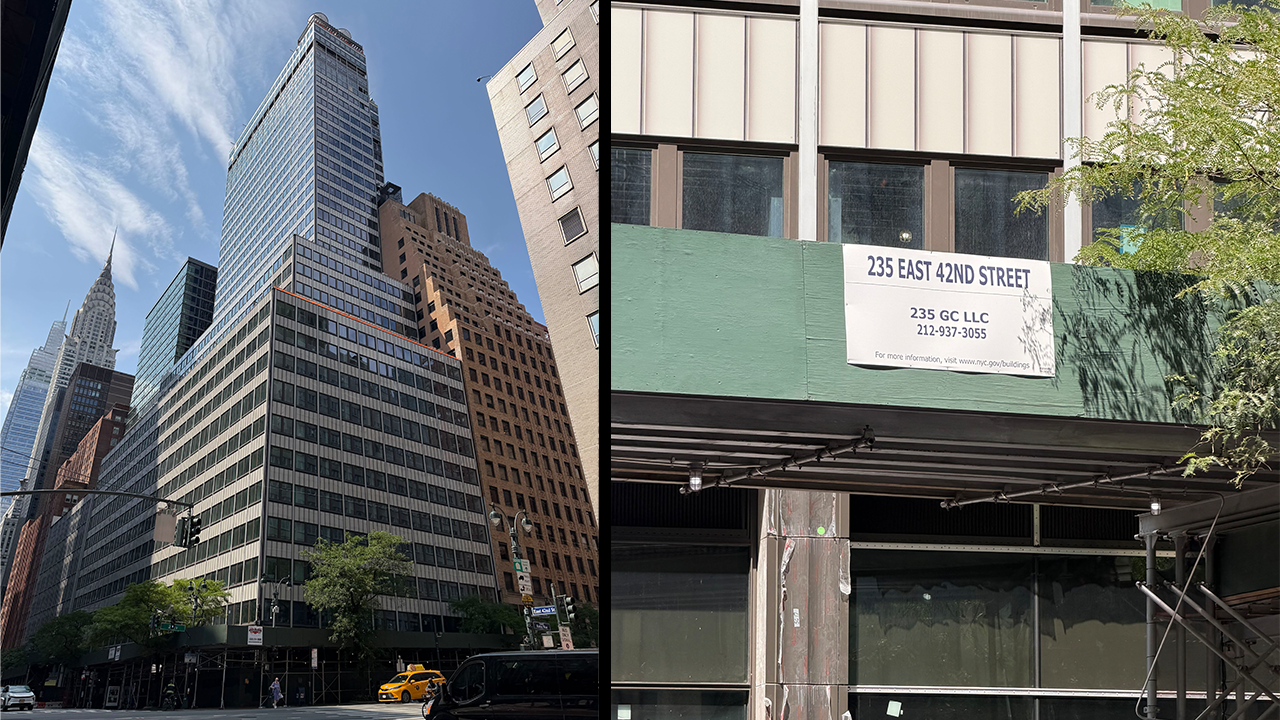
Above: 235 East 42nd Street was evacuated earlier this year after structural columns were discovered to have buckled.
Why 235 East 42nd Street matters
Not far from Grand Central Terminal, 235 East 42nd sits amongst a cluster of offices. Opening in 1961 as the Pfizer headquarters, it’s spent the majority of its life going pretty under the radar.
At 33 storeys, it’s three times taller than its early 20th century neighbour, 219 East 42nd. These buildings opened in a different time: in eras defined by a drive for office space, when the term ‘work from home’ would’ve been gibberish to most people. The landscape today is very different. The office is still important to the city but following the pandemic, vacancy rates shot up.
Meanwhile, any resident of New York, or regular viewer of The B1M, is aware NYC is in the midst of a major housing crisis and with empty or partially empty office buildings across the city, and a lot of people needing homes, you might start to see a solution.
New York certainly did. In 2024, the City of Yes for Housing Opportunity was rubber-stamped, relaxing rules around converting offices into residential spaces.
Enter: 235 East 42nd Street.
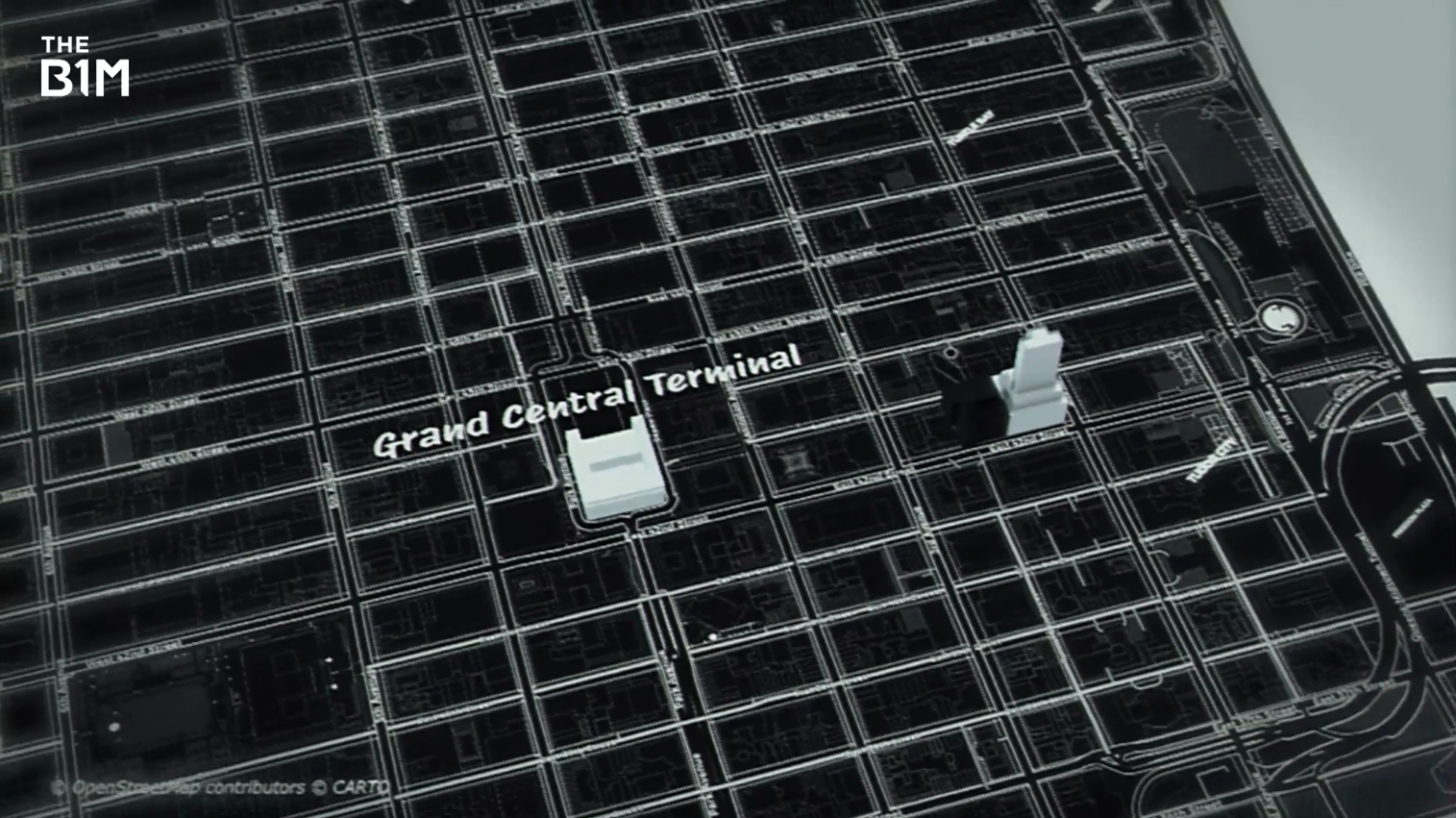
Above: 235 East 42nd Street sits in Midtown East Manhattan, not far from Grand Central Terminal.
By 2025 construction was underway on what architects Gensler described as the largest conversion of its kind in New York City history. Once open, it’ll offer more than 1,600 apartments but turning an office space into a home is far from straightforward.
The smaller tower next door is 219 East 42nd Street. It's being increased to 29 or 30 storeys, depending on how you calculate things like mechanical floors.
Meanwhile, 235 is being raised by four storeys, taking it up to 37 overall. These towers were constructed about half a century apart and are now being merged into one giant development. To put that into perspective, in the time between 219 and 235 being built, America fought in two world wars, stumbled through the Great Depression and, pivotally, fundamentally overhauled its building processes.
219 was built in the early 1900s with terracotta and cast iron. Meanwhile, the taller 235 is a largely steel structure, using material nearly half as strong as some of the stuff you can get your hands on today and so modernising and redeveloping these two buildings calls for very different approaches.
219 is being threaded with poured concrete to create a new structural frame across its entire height and next door, 235 is being redeveloped with both horizontal and vertical expansions to its pre-existing steel frame. It’ll also feature a reskinned facade.
Preparing these two buildings, from different eras, to become a single development of tomorrow, is one challenge. The second hurdle is converting an office tower into an apartment block which isn't as simple as sticking up some plasterboard walls and buying a few king-sized beds. There are specific, strict regulations about light and ventilation in residential buildings, not to mention the major plumbing overhaul needed to serve each unit, the potential change in ceiling heights and the varying weight distributions across floors.
In fact, in 2023 Moody Analytics reviewed more than 1,000 office buildings in the city and of those, only 3% were viable for apartment conversions.
So, what happened to 235?
Early on July 7, 2026, construction workers discovered a steel column on the 21st floor had buckled. The Fire Department was called around 8am and it found a number of sagging floors, cracks and a second buckled column. In response, workers on site were evacuated, followed by a full scale evacuation of nine nearby buildings, including a school. The area was cordoned off with a frozen zone and New York’s Mayor, Zohran Mamdani, announced the structural issues to the public.
Later on Tuesday morning, it was confirmed by officials that the damage was localised to a specific section of the development, not the entire building.
The firm GACE, created the building’s engineering plan and it was quick to point out what it believed to be the cause. As reported by the Gothamist, GACE’s principal, Chris Behan moved to blame the trouble on a lack of reinforcement from the 19th floor to the top of the 21st floor.
Earlier reporting by the Gothamist showed GACE’s plans did actually call for reinforcement along the two columns that eventually buckled.
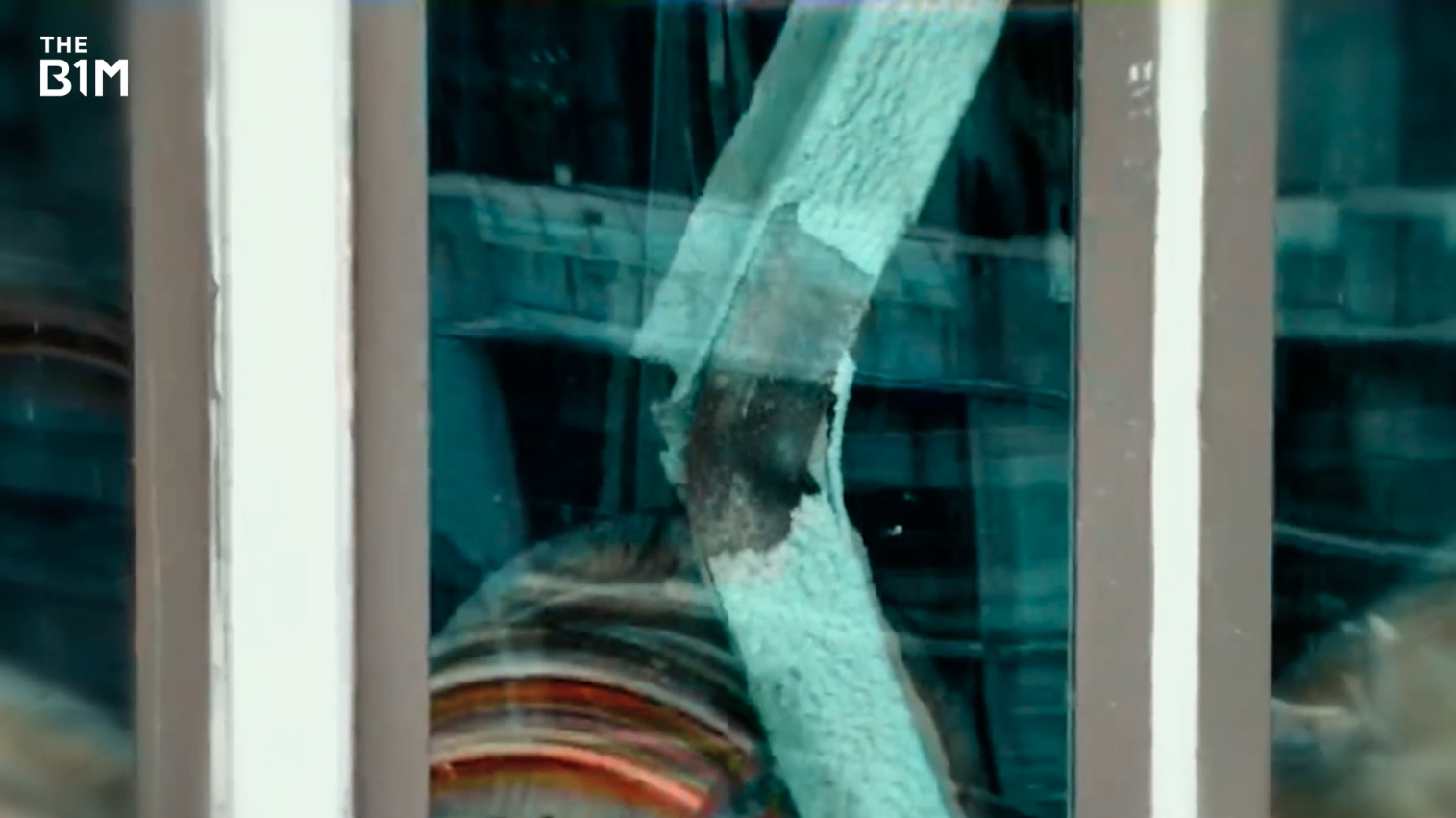
Above: One of two structural steel columns that were discovered to have buckled in 235 East 42nd Street. Image: FDNY.
Meanwhile, developer Nathan Berman seemed to agree. In an interview on the day of the incident, he claimed the issue may have occurred on the 21st floor due to additional stress caused by weight added from the 22nd level upwards; that was part of a widening of the top 15 floors. As a result, fire officials said several floors near the buckled columns were sagging. Berman went on to say the buckling columns may not have been reinforced properly and the Department of Buildings said the structure’s steel columns would need to be reinforced.
Chris O’Regan is a chartered structural engineer and the head of structural safety at Frankham Consultancy Group. While he’s not part of the redevelopment at 235, we dropped him a call the week after it hit the news to ask him what he thought.
“Simply put, the columns were overloaded. They buckled in on themselves - that’s how steel columns and indeed reinforced concrete and any column, fails typically. In order to prevent that from happening, if I was to wrap my fingers round with a bit of tube, like a toilet paper tube, they would resist that force from buckling so this is what they wanted to prevent and actually do.”
While a criminal investigation is ongoing, this gives us some idea as to what may have happened.
The Department of Buildings (DoB) is responsible for making sure codes are met and building projects are safe and so as you can imagine, it’s a major player in this investigation. The Gothamist highlighted a complaint note posted, and then deleted, by the Department of Buildings. It reportedly said the ‘failure to provide steel reinforcement as per approved plans led to the cause of the incident.’
The following week, the Gothamist claims Press Secretary of the DoB, Andrew Rudansky, said the note was posted by a staff member but it wasn’t accurate and so was corrected that same day. However, it does seem to align with GACE and the developer. As for the columns themselves, they were reinforced with temporary shoring to provide stability and make it safe for assessments to be made.
“In this particular instance, did you notice that where the columns have buckled, the structure actually over-sails so it’s making it even worse", said O'Regan. "They’ve actually (placed) a significant load on those particular columns. I suspect that is why those two actually buckled, rather than the others because the other columns will have been affected as well.”
Cautious next steps
The roads are open again and life along 42nd seems to be carrying on as normal but that doesn’t mean this story has come to an end. For the time-being, while we wait on the findings of the investigation, we’re working off of Fire Department reports, deleted notes from the DoB and reactionary comments from the developer and project engineers.
Columns buckled and at least for now, there are claims that they were never properly reinforced. If so, that’s a major oversight and ultimately, it’s better they buckled now than down the line. The compromised section of the development faces a rebuild and, depending on what’s discovered, there could be an adaptation of the structural system - although Berman said this won’t be a demolition job.
It’s a nervous time for the developer who suggested this incident would probably cost just an extra few weeks. When you consider the ongoing investigation and the redevelopment work required, that sounds a bit ambitious. Crain’s reported back in 2024 that lease signings could begin in 2026, with move-ins from 2027 and so it’s worth remembering a developer is beholden to investors and apartment pre-sales. And there could be wider implications. The Wall Street Journal reported lenders and investors in the US are now having a rethink about projects like this one.
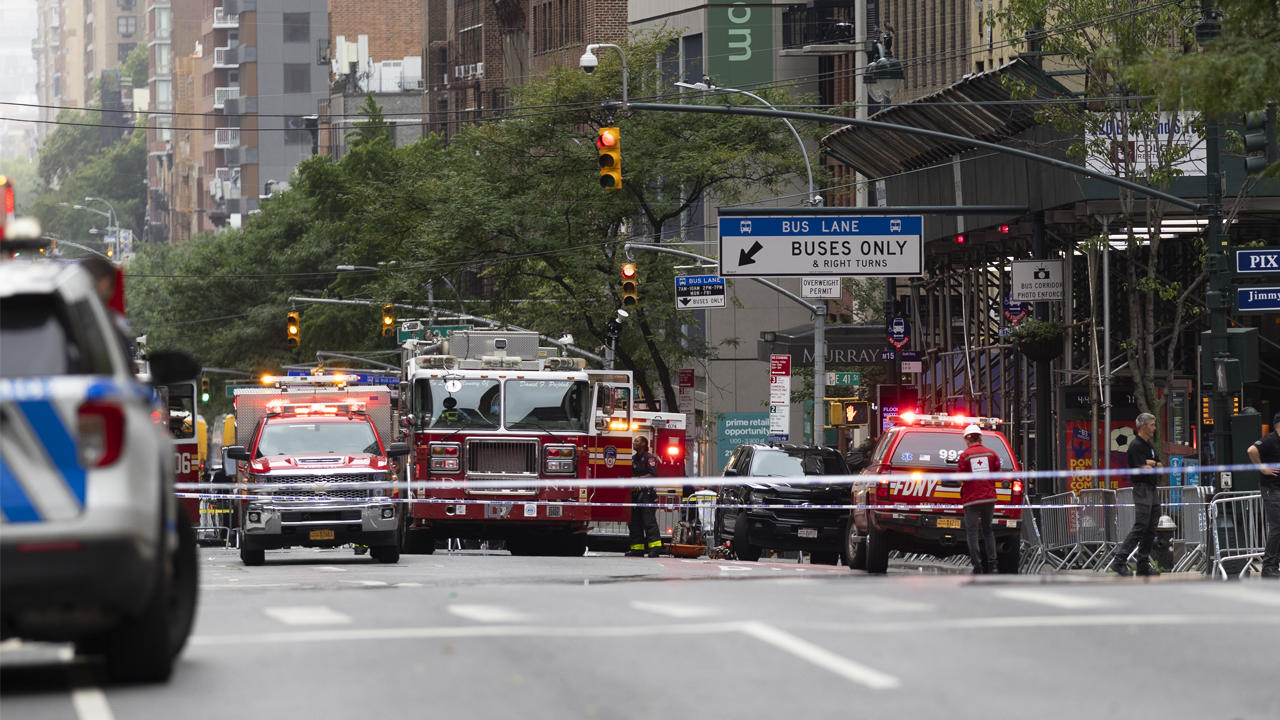
Above: Roads may now be open again but on 7th July 2026, the area was closed off under a strict cordon. Image: Tessa Bury.
It turns out this isn’t the first time 235 has come in for criticism. Reports show it had already faced 44 prior complaints against it ranging from falling debris, to a worker blowing material off the roof with a leaf blower - although emergency services at the time said they found no evidence to suggest this was true.
What happened at 235 led to sweeping reviews across 180 New York construction sites. According to reports, 19 of those were found guilty of safety lapses and faced full or partial stop-work orders. Problems included a failure to follow designs, missing paperwork and hazards to workers.
What this story does show us is just how much we take this industry for granted. These projects are incredibly complex and yet, they’re happening around the world everyday. The fact that this once ordinary building has garnered so much global attention, thankfully goes to show how rare major malfunctions like this are.
For these big developments, the stakes are through the roof and maybe this can be a reminder of the respect construction crews deserve for so often getting it right.
At the time of publishing this video and article, The B1M has not received a response from MetroLoft when it was approached for comment.
Take your designs from concept to completion with Rayon Design 'sall-in-one, effortless CAD tool. Try it (for free) today.
Additional footage and images: Tessa Bury, FOX 5, PIX11 News, Bloomberg, FDNY, CBS New York, NBC News, Qwen Wan, The NYC Walking Show, ABC, Fox & Friends, Wilmer Nugra, NYC Department of Buildings, Reuters, WABC, Anthony Marino, and The Independent.
We welcome you sharing our content to inspire others, but please be nice and play by our rules.
Comments