

Inside the race to save the UK's Houses of Parliament
- Youtube Views 797,796 VIDEO VIEWS

19 August 2026
Video hosted by Fred Mills. This video contains paid promotion for Brilliant.
IT IS ONE of the most famous buildings in the world, a UNESCO World Heritage site, an architectural masterpiece, and the seat of British democracy. But behind its majestic neo-Gothic facade, the UK's Palace of Westminster is on the brink of disaster.
With leaking sewage, crumbling stonework and metres of high-voltage cables packed alongside steam pipes in underground tunnels, experts warn the building is in a state of managed decline. Now, politicians face a stark choice: authorise one of the largest, most complex restoration projects in modern history, or risk watching an icon of British identity quite literally fall apart.
To the public and television viewers across the globe, the Palace of Westminster appears timeless and grand. But in the claustrophobic labyrinth of basements deep beneath Central Lobby, a very different reality plays out. Known to workers as the Submarine Corridor, the palace's subterranean network of service tunnels is packed to capacity with more than 150 years of overlapping infrastructure.
More than 400 kilometres of cabling, enough to stretch from London past Paris, run through the estate. Over decades, new systems for high-voltage electricity, fibre optics, and Wi-Fi have simply been installed on top of redundant Victorian and post-war networks because removing old wiring from historic structures is too complex.
Design and Engineering Director Andy Piper notes that the basement directly beneath Central Lobby is surrounded by high-voltage cables, gas, heating, cooling, and drainage that have never been holistically replaced since the 1950s, underpinning many of the problems seen today.
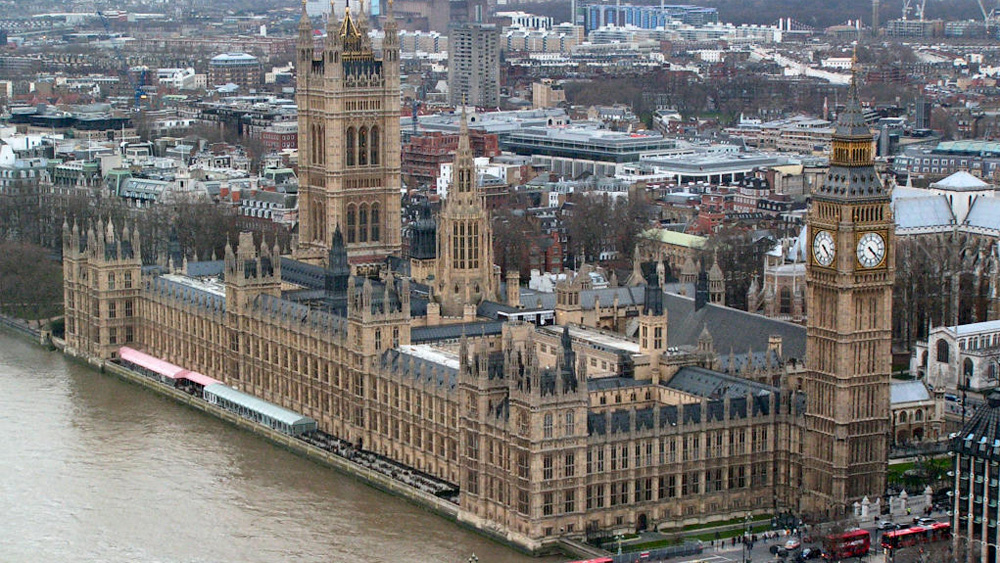
Above: The London's Palace of Westminster, also known as the Houses of Parliament.
The consequences of this patchwork approach are visible throughout the basement. Massive Victorian steam pipes, which provide the building's primary heating source, run directly alongside modern cooling ducts, effectively fighting each other. Tunnels are so densely packed that engineers have simply run out of room to install modern, energy-efficient building services.
The operational toll is immense. Maintenance teams respond to more than 2,900 emergency call-outs every month, representing a 70 percent increase in just the past few years. Tasks range from sudden blackouts to failures of the original Victorian sewage ejector system, which dates back to 1888.
Currently, taxpayers are spending £1.5 million every week just to patch up the building and keep it functioning on a day-to-day basis.
While water leaks and heating failures cause daily disruption, fire poses an existential threat to the Palace. The main structure was rebuilt by architect Charles Barry following a catastrophic fire in 1834 that destroyed the medieval parliament. Yet, key historic elements survived, including Cloister Court, dating to 1529, and Westminster Hall, built in 1097.
Today, safety experts warn that the building’s unique combination of expansive historic woodwork and decaying electrical systems creates an extraordinary fire risk. In the last decade alone, 36 fire incidents have been recorded across the estate.

Above: The fire of the Palace of Westminster, as captured by J. M. W. Turner.
Lord Roe, the former Commissioner of the London Fire Brigade who commanded the emergency response to the Grenfell Tower disaster, warns that the palace is without doubt the most complex historic building in the country with the greatest fire loading, occupied by the largest number of people on a daily basis.
Roe points out that while visitors see volume after volume of wood panelling, they do not see the ageing rubber wiring sitting behind it. He adds that the building is five or six times the size of Notre Dame, with a level of priceless artwork and architectural features that could never be replaced. While continuous 24-hour fire watches and modern alarm networks currently keep occupants safe, experts agree that temporary measures cannot mitigate the risk indefinitely.
Above ground, the physical fabric of the building is deteriorating rapidly. The palace was constructed using a warm, golden limestone quarried in Yorkshire. Selected in the 19th century because it was soft and easy to carve into ornate neo-Gothic details, the stone has proven notoriously vulnerable to London's weather and pollution.
In the past ten years, there have been 19 separate incidents of masonry falling from the exterior walls. With more than one million tourists, staff, and parliamentarians walking through the complex each year, crumbling stonework represents a severe safety hazard.
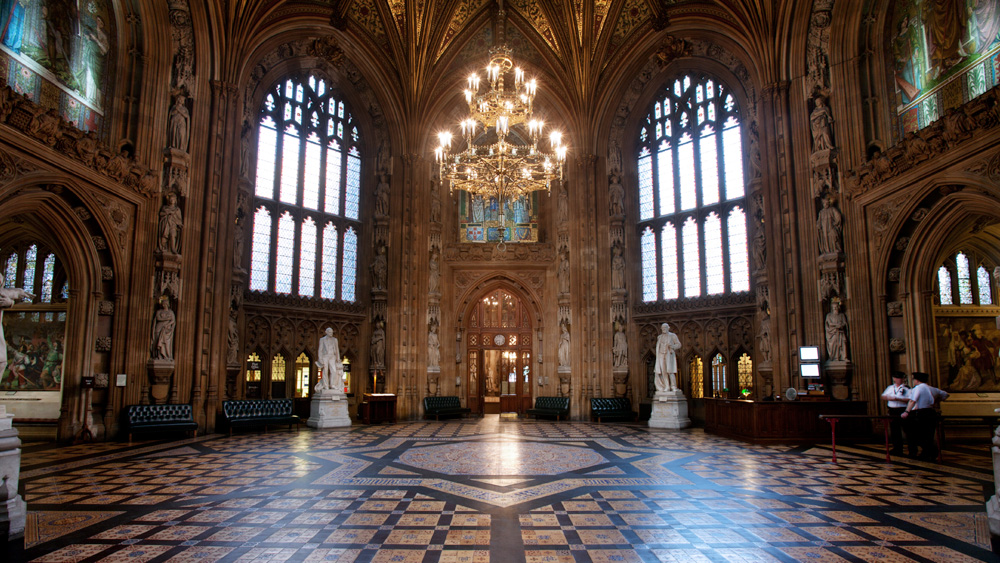
Above: Every day the Palace of Westminster plays host to thousands of visitors (not pictured above).
Liberal Democrat MP Marie Goldman compares working in the building to a world of moving staircases and endless unknown doors, but stresses that there is no zero-cost option. She notes that the building is literally crumbling around occupants, with stone falling off and sewage turning up in places where it should never appear. She asks what it would say about Britain if the seat of its parliament started literally crumbling into the River Thames.
The Restoration and Renewal Delivery Authority has outlined a comprehensive, site-wide transformation. The proposed scheme goes far beyond cosmetic fixes, focusing heavily on modernising essential infrastructure. It involves stripping out and replacing all legacy electrical, plumbing, and 1880s sewage systems, alongside a major environmental effort to eliminate vast quantities of asbestos installed during post-war repairs in the 1950s.
The plan also calls for new internal fire-proof barriers capable of sealing off sections of the building, a modern heating network designed to reduce energy consumption by 40 percent, an increase in step-free access across the estate, and the restoration of over 3,800 historic windows and exterior stonework. Approximately 85 percent of the construction budget will be spent strictly on underlying building services and basic structural safety, rather than decorative enhancements.
A detailed report published in February 2026 outlines the strategic path forward. The immediate recommendation calls for a seven-year, £3BN preliminary phase running to 2032 to deliver urgent repairs, survey hidden structures, remove accessible asbestos, and fully cost the long-term options. Beyond 2032, Parliament must choose between two distinct approaches to complete the main works.
The first option is a full decant, which involves completely emptying the Palace of Westminster and turning the site into a secure construction zone. Under this plan, the House of Commons would temporarily relocate down the road to Richmond House, while the House of Lords would move to the Queen Elizabeth II Centre. This approach would take between 19 and 24 years to complete, at an estimated cost ranging from £8.4BN to £11.5BN.
The second option, known as Enhanced Maintenance and Improvement Plus (EMI+), splits the palace into 14 distinct zones. Work would be carried out in rolling stages, leaving 70 percent of the building operational at any given time so Parliament can remain on site. However, this phased approach would take between 38 and 61 years to complete, with costs escalating to between £11.8BN and £18.7BN.
To an outside observer, opting for a full decant appears to be a straightforward financial decision because it is faster, significantly cheaper overall, and creates a far safer construction environment. However, the phased option remains under consideration due to deep political and institutional anxiety. Many parliamentarians fear that if they leave the Palace of Westminster, traditions built over centuries could be permanently disrupted, or that political momentum to return to the building would vanish once they are established elsewhere. Furthermore, while the phased approach is significantly more expensive in total, its costs are spread over up to six decades, reducing the peak financial burden on any single parliamentary budget year.
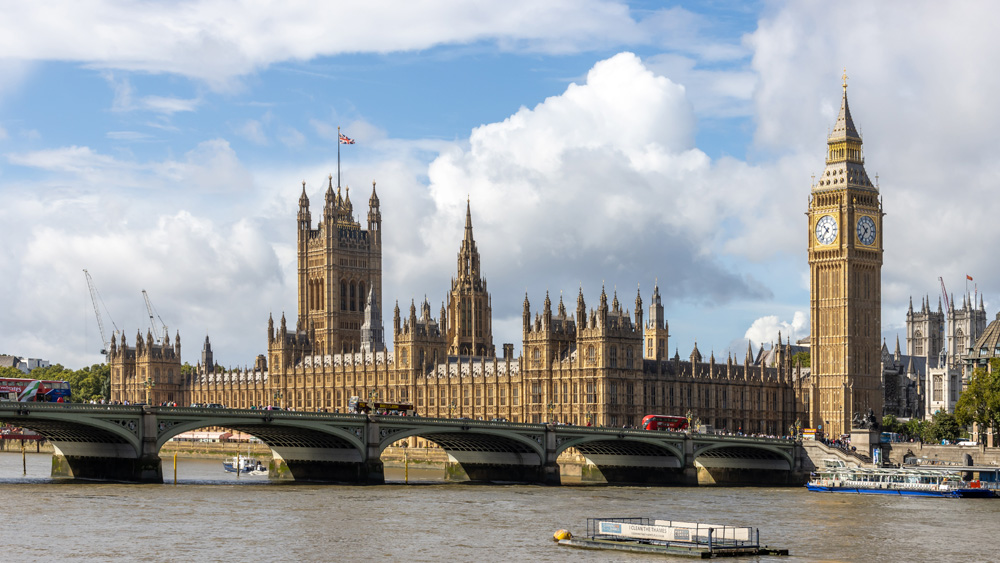
Above: The Palace of Westminster, perched next to London's River Thames.
The project arrives at a time when Britain's public finances are severely strained. With soaring costs across the NHS, defence, and public infrastructure, spending billions on a historic palace is a tough sell to the electorate. Memories of recent mega-project budget overruns have made both politicians and the public deeply skeptical of multi-billion-pound estimates.
However, project leaders stress that restoring Westminster is fundamentally different from building new infrastructure like high-speed rail lines. Andy Piper notes that while the biggest risk is discovering unknown structural issues from the 19th century, comprehensive survey periods have been built directly into the timeline to manage those uncertainties.
Supporters of the restoration emphasise that the Palace of Westminster does not belong to politicians, but to the public. Ultimately the debate comes down to what the building represents. The choice facing Parliament in 2026 is no longer whether to spend money, but how to spend it. The status quo of spending £1.5M a week on temporary patches is simply managed decay. Whether through a total decant or a multi-decade phased restoration, Britain must now decide if it is willing to pay the bill to preserve the heart of its democracy.
Click here to
get started with Brilliant’s tutor for free. You can upgrade to Premium
to unlock all courses and right now, The B1M viewers can save 20% off
an annual subscription.
We welcome you sharing our content to inspire others, but please be nice and play by our rules.
Comments