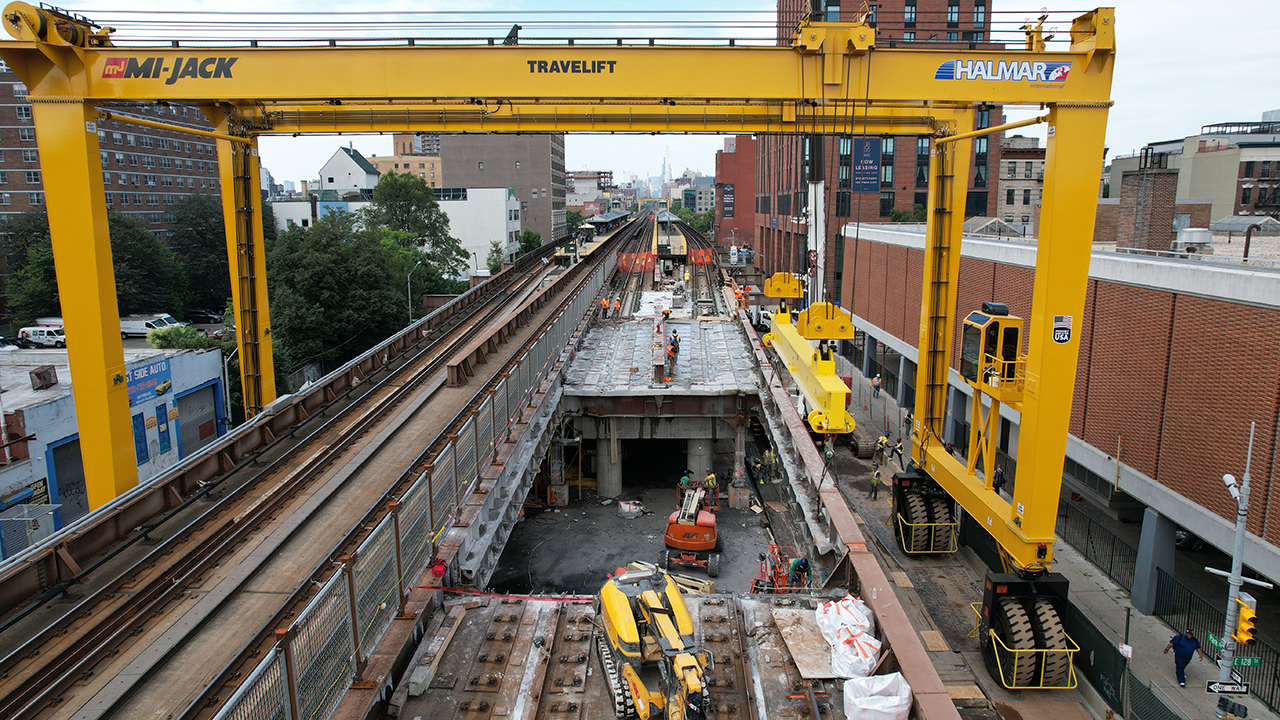
Will Dublin Ever Get its First Metro?
- Youtube Views 1,453,659 VIDEO VIEWS

04 March 2026
Video narrated and hosted by Fred Mills. This video contains paid promotion for Rayon Design.
DUBLIN might be world famous but did you know it’s facing a crisis?
The Fair City welcomes millions of visitors every year to see its castles, cathedrals and of course, the Guinness Storehouse.
It’s an area rich in history and culture but while its attractions are a site to behold, getting to them isn’t exactly straightforward. Dublin’s population has grown by nearly a third since the turn of the century and its travel infrastructure hasn’t kept pace.
It’s the 11th most congested city on the planet and each year, it’s climbing the rankings. In 2025, as a driver in Dublin you’ll have sat in traffic delays for an average of 95 mind-numbing hours across the year. In that time you could play more than 80 Gaelic football matches or watch the entirety of Father Ted nine times through. That’s a 17% increase in delay times on 2024 and a 32% increase on 2023.
Put simply, travelling around Dublin is a nightmare and the situation is getting worse. By 2040, the economic costs associated with congestion are expected to hit a whopping €1.5 billion each year.
The government was meant to be sorting the issue with a massive investment into infrastructure but officials have u-turned on a policy to spend a ratio of 2:1 on public transport vs roads. There are desperate calls for a travel fix because the problem not only affects people personally but it’s a bit of a red flag to foreign investors: a lack of travel infrastructure isn’t a great advertisement.
For nearly 30 years, Ireland has teased a desperately needed metro to tackle its congestion nightmare but without really making any proper inroads and with Dublin’s travel problem just getting worse and worse, what the hell is being done to fix the city?
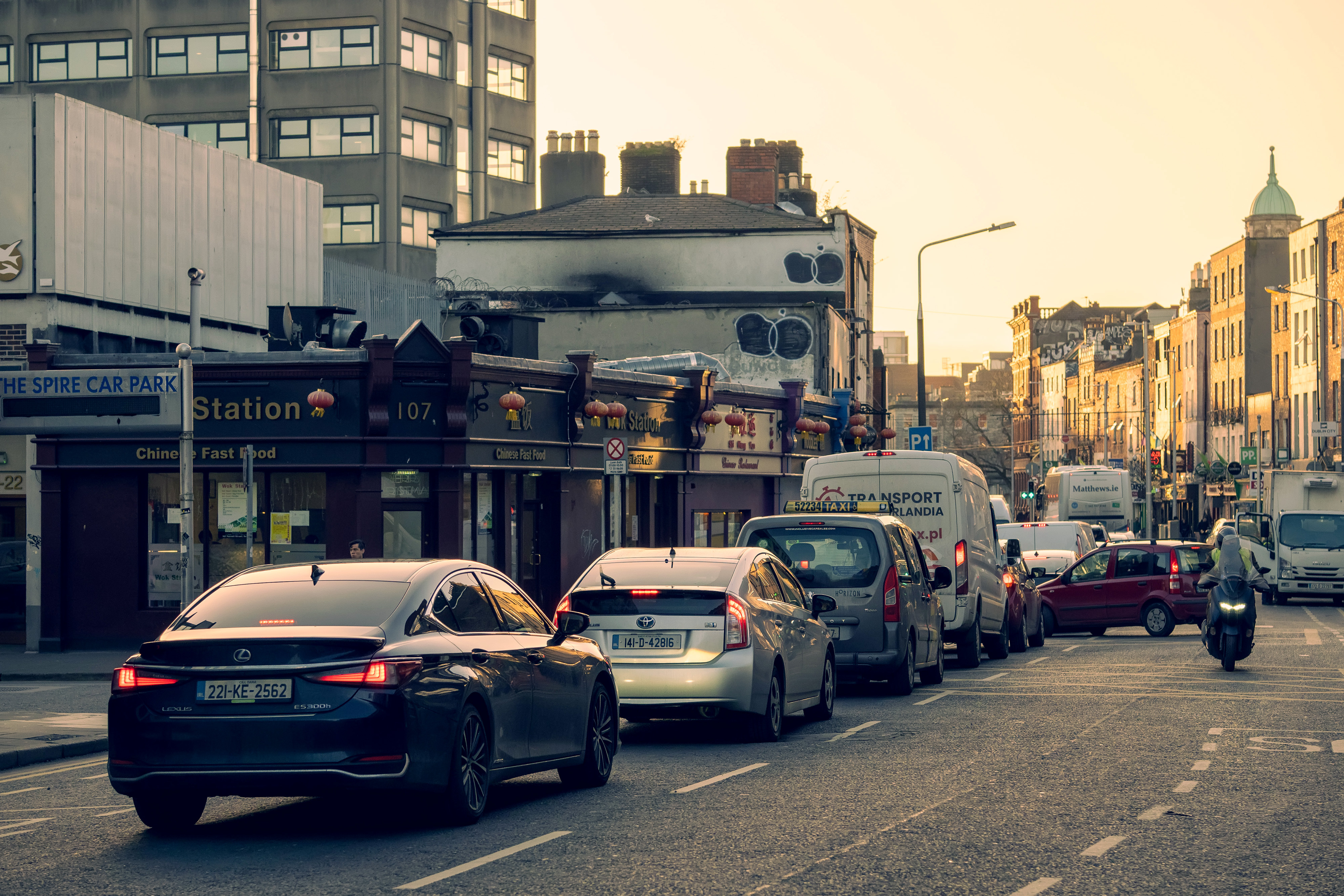
Above: Dublin is one of the most congested cities on the planet.
Tried and failed
At the turn of the century, Ireland's government proposed a flashy new metro as part of its Transport 21 initiative. The plan was to spend €34 billion modernising Ireland’s travel infrastructure and that included an underground train line from St Stephen's Green to Dublin Airport and then continuing to Swords.
Beyond its congestion dilemma, if you’ve tried travelling to Dublin Airport, you’ll be more than aware there’s no rail access whatsoever. It’s one of the last European capitals without a direct train to its airport.
In 2005, Metro North, as it was known, was formally thrown into the limelight to drag Dublin into the 21st century. It gained planning permission, providing an exciting new dawn for the people of Dublin but by 2011, it was a non-starter.
As the money dried up due to the global recession, Metro North slipped further and further down the priority list. Various iterations have since followed. In 2018, an updated plan offered hope that Dubliners could get around the city via an underground train line by 2027. But come 2021, with no spades in the ground, the government said the timeline was unrealistic.
Construction should then have gotten underway by 2025 but the latest metro designs didn’t gain planning permission until October last year and because of the twisting nature of Ireland’s so far failed attempts to build a metro, the city’s residents are somewhat skeptical it’ll ever happen. Even though it could cut travel time to the city by more than a half, Dubliners have been stung by promises of an underground line in the past. Confidence is pretty low.
With all that being said, the latest plans give real reason for careful optimism as Brian Caulfield, professor in transportation at the School of Engineering at Trinity College Dublin explains:
"Government has committed, in the last budget, €2 billion for the metro to proceed so government and the agencies that are supporting and building and delivering the metro are proceeding as if this piece of infrastructure is going to happen. We’re hiring people and the tender documents have been put together to bring consortia to the city to deliver our metro."
For the second time, planning permission has been granted for a metro in Dublin and while it’s taken countless time-consuming discussions about where the route should go and how it should be constructed, that almost makes sense.
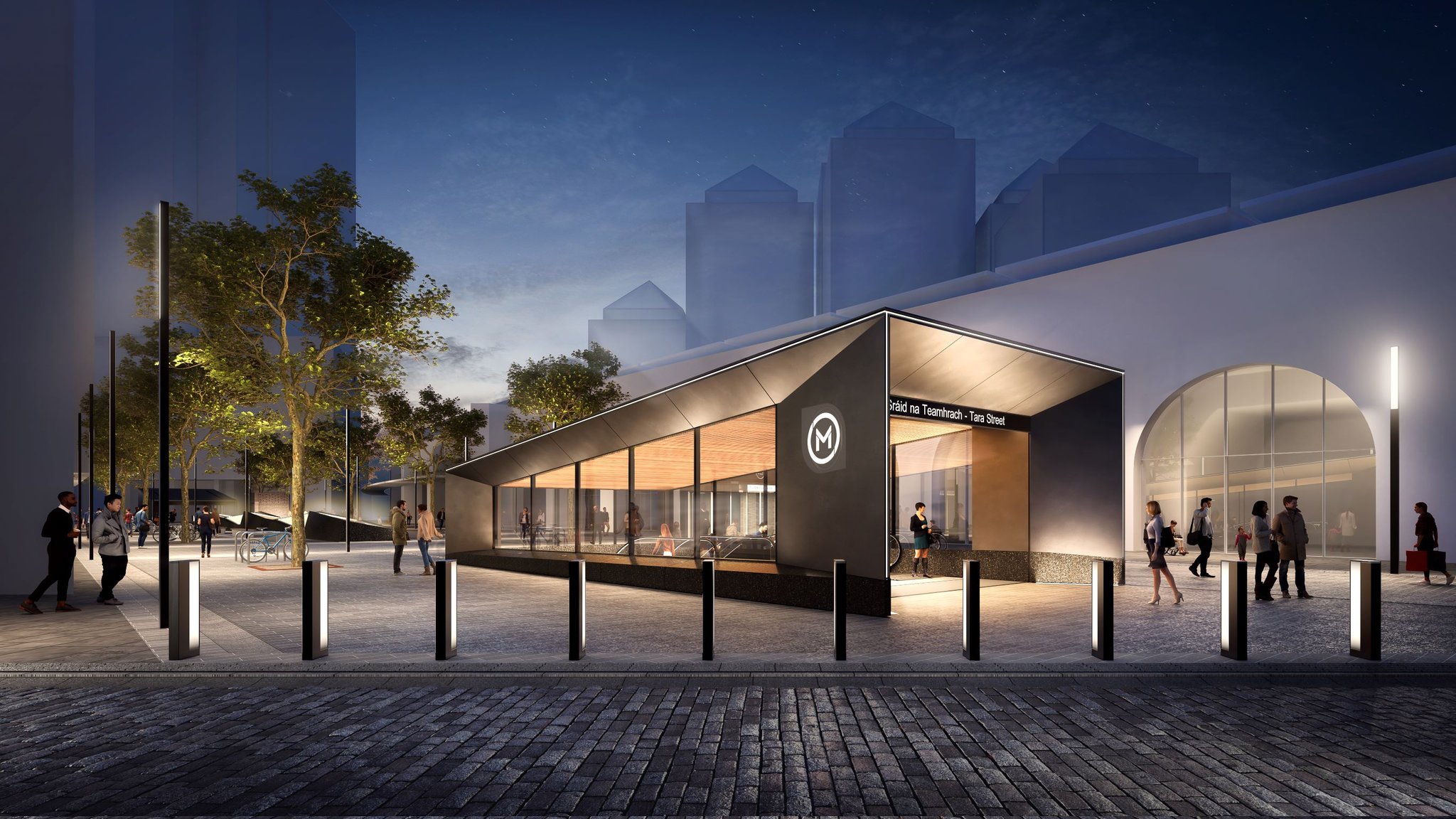

Above: Ireland is making progress towards building its first metro in Dublin. Image: Dublin Metrolink.
Given this is the country’s first ever metro, authorities are keen to get it right. Spending billions on a project like this to get the route wrong would be disastrous, especially after waiting all this time - it’s already a bit of a debacle.
"Honestly, I think people just want the government and the authorities to get on with it. When it was announced the last time there was a researcher in zoology that basically said the time that we’ve been talking about the metro and to construct the metro, a snail could have gone from Dublin City Centre, out past the airport and do the whole line based on how long it's taken us to get to where we are right now. I think right now the money is there, the ambition is there, the support is there so if not now, when?", said Caulfield.
The route
The plan is to link the north and south of Dublin, connecting the airport with each end of the city via 16 stations. The line will stretch nearly 19 kilometres from Charlemont, passing through three different universities, schools, hospitals and up to Swords in North County Dublin, one of the fastest growing areas in all of Ireland.
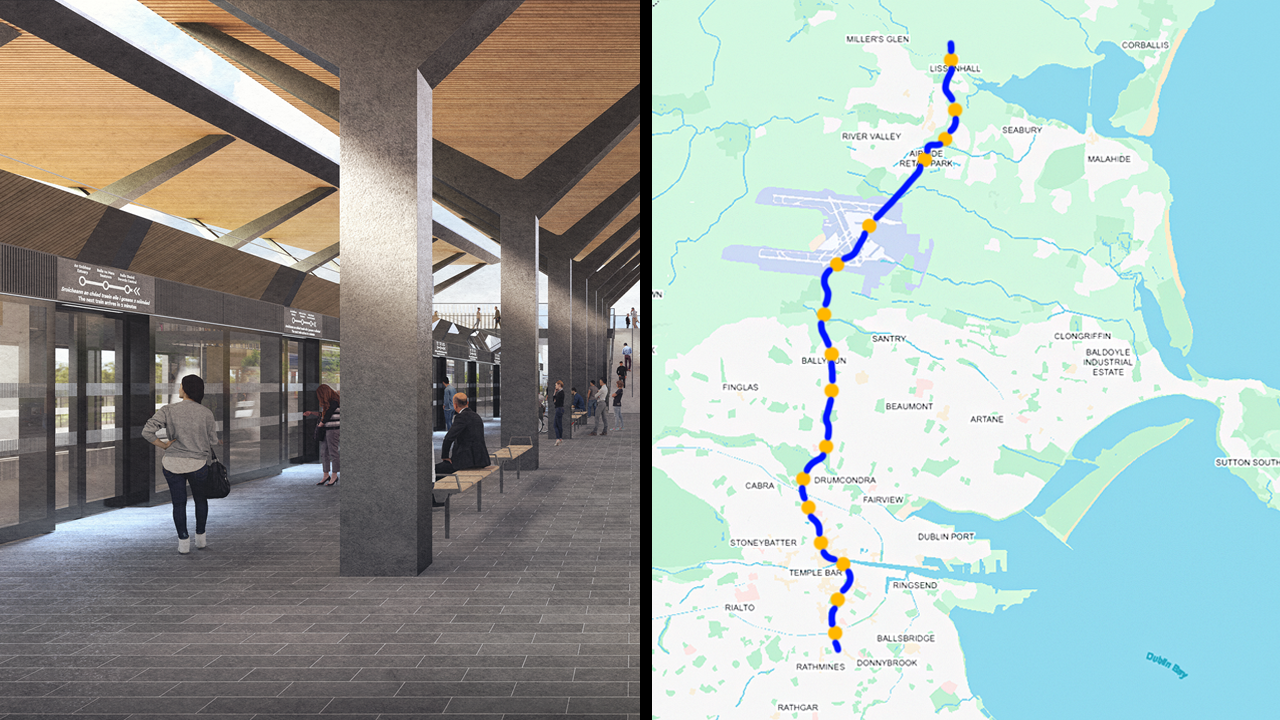
Above: Dublin's new metro will cut through the city, finally offering a train line to the airport.
All of that will come with a whopping €9.5 billion price tag. For context, that’s about €500 million per kilometre. While cited as unlikely, the Department for Transport said the project could reach a staggering fee of €23 billion.
That would give it a cost per kilometre similar to that of New York’s Second Avenue Subway. Dublin MetroLink could become one of the most expensive underground train lines of all time.
An early iteration of the project came with a €3 billion fee and the reason for the exploded figures are twofold. Inflation certainly plays its part but a lot of the cost comes with the construction method.
Earlier designs saw Dublin’s metro largely delivered using cut and cover. You excavate from the surface down to your desired depth, construct your structure and then fill ground back in on top of it. Cut and cover is pretty cost effective and less intensive than trudging deep underground, engineering at serious depths. Importantly though, you don’t need to buy or hire a tunnel boring machine (TBM).
TBMs dig deep below the surface, carving through rock and soil to create routes underground. The method is a lot more expensive than the alternative but nevertheless, the latest schematics make regular use of them.
Cut and cover is incredibly disruptive - roads have to be closed or converted to one way for weeks and even months on end. One of the appeals of Dublin is the picturesque narrow streets but in the 11th most congested city on the planet, more chaos than is absolutely necessary is asking for trouble. In short, tunnel boring limits the chaos which is crucial for a dense city.
The plan has been amended so that trains will travel through one large, single bore tunnel, stretching 9.5 metres in diamter, rather than the originally planned twin bore system to limit the amount of work and save some money. Cut and cover will be limited to specific shallow sections and surface stations along the route.
Brace yourselves, Dubliners
While all of that work is necessary to build a much needed piece of infrastructure, the process is incredibly disruptive. The tunnelling, the re-routing of existing travel options, the noise, the dust - the list goes on. Dublin MetroLink will make things a whole lot worse before they get better.
This metro line is going through the heart of the city, driving under and through urban areas and residential spaces and beyond some necessary but congestion causing road closures, some of the tunnelling work is likely to be carried out around the clock. As a TBM approaches an area, there’ll be about three weeks of noise and then another three weeks as it leaves again.
Six weeks of unavoidable construction noise and in truth, TBMs aren’t exactly subtle. Just remember, these tunnels will be dug directly beneath public parks, workplaces and people’s homes. The green spaces won't be spared either.
20% of the city’s most popular public green space, St Stephen’s Green, will be closed during construction and Albert College Park, 15 minutes from the city centre, is going to be the centre of a mandatory intervention shaft.
Tunnels have to offer escape routes and ventilation at regular points along the line. For instance, if you had a 3,000 metre long tunnel and a fire broke out, emergency services would have a serious battle to reach commuters who’d be suffering with very little fresh air. The EU calls for these intervals to be less than 1,000 metres apart.
However, the section of track that runs underneath the area between Collins Avenue and Griffith Park is nearly 1,500 metres and that’s why an intervention shaft has to be created no more than a kilometre from either of these stations. Albert College Park is the destination of choice.
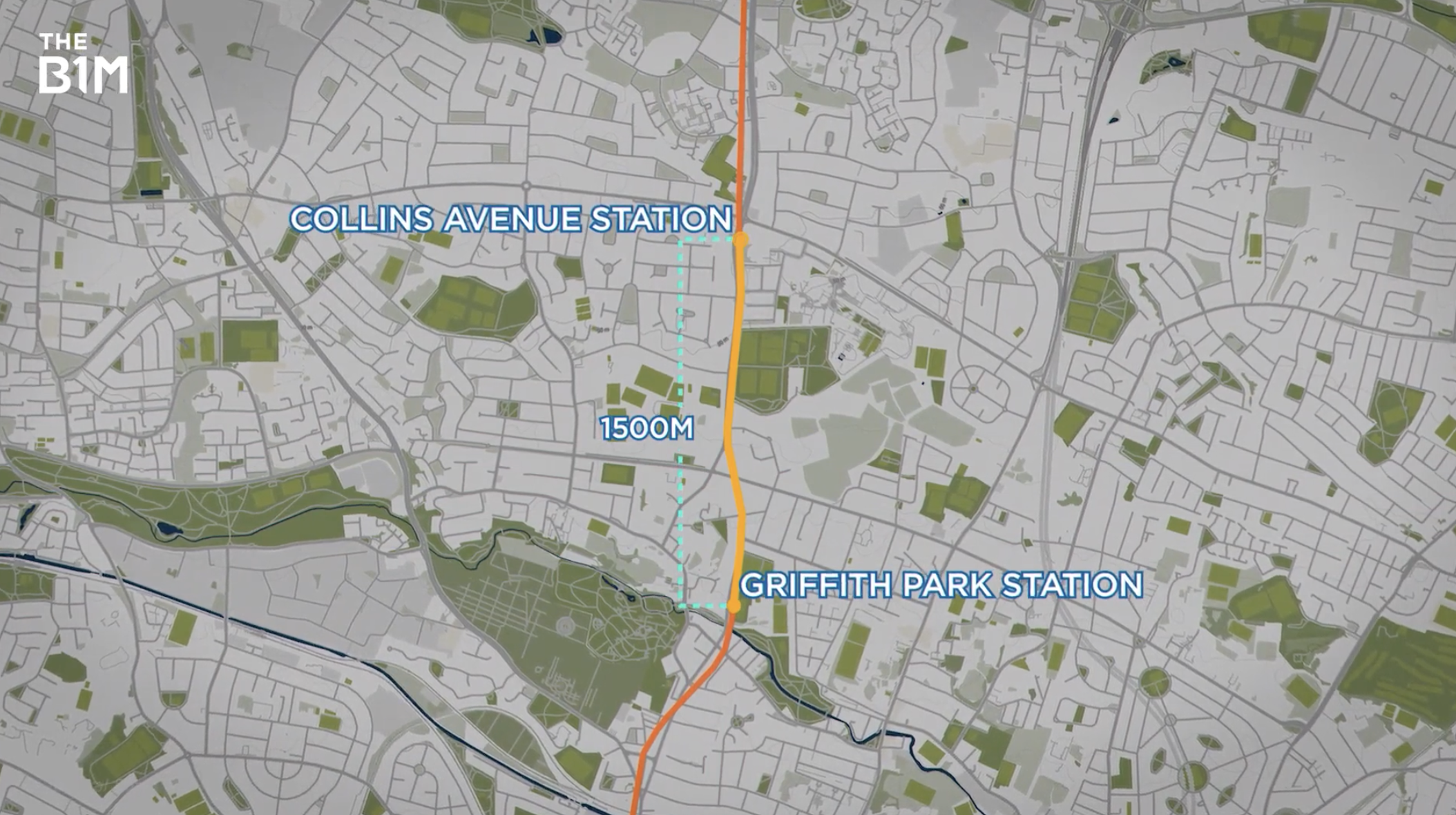
Above: The section of track running from Griffith Park Station to Collins Avenue Station is too long and so requires an intervention shaft.
While Dubliners are battling congested roads and closed off parks, the travel problem will stretch even further. The irony of building a new train line is that it’ll temporarily close some of the existing above ground routes. Sections of the Western Commuter Line will shut for nearly two years and the South Western Commuter Line will face closures for up to five months.
The nature of the beast
This isn't a uniquely Irish problem. If any dense city like Dublin creates open tunnels in the street or builds massive train stations in an urban centre, a space issue will emerge. The project has to coexist around everyday life.
But given how most of these metro builds go around the world and the fact Ireland will be doing this for the first time, don’t be surprised if the Fair City is a worksite for quite a while but Professor Caulfield urges progress:
"These projects are critical pieces of infrastructure for our country and not being able to deliver them is crippling. Crippling our cities, crippling our infrastructure, crippling our ability to deliver the housing and transport and to meet our climate goals. Hopefully on this one common sense will prevail and the project will go ahead because it will have such a fundamental impact upon our city."
To see the benefits of the line, construction actually needs to begin. The Minister for Transport, Darragh O’Brien previously said the aim is to break ground in 2027.
Beyond the obvious benefits Dublin MetroLink should have on easing congestion, the line has to stack up financially. Early estimates in 2022 from the Department for Transport suggested that the Irish economy would receive about €13.7 billion over a 60 year period due to the metro's existence. What that means if the project somehow skyrockets to that unlikely €23 billion construction mark - let’s just hope that doesn’t happen.
It’s not going to be a comfortable journey. Building this route will undoubtedly cause more than a few headaches but while a healthy dose of skepticism remains amongst Dubliners about the future of their new underground rail line, it finally seems to be on track.
The city of Dublin has been patiently waiting nearly thirty years for an answer to its travel woes and it’s about time they get on with it.
Additional footage and images: Dublin MetroLink, Transport Infrastructure Ireland, IMF, Bloomberg, Al Jazeera, RTÉ, Airfilmlab, Love Ireland, Nainology, INRIX, QuaysTV, Channel 4, QuaysDublin, IrishRailFan201, Walk This Way, i has been censored [MTA T Train], Virgin Media News, The Irish Times, MEIL, Metro Rail News, Cölestina Römer, Roam Routin, Europe Memories, SHAOS TV and John Edwards, StoryfulViral, BBC, Keith.Kane, FionaKildare, Hat Trick Productions, Brienzah, Sky Sports, Irish Independent, Whatever2009, Stalform Engineering, Limanbhradain, Cölestina Römer, Transport for Ireland.
We welcome you sharing our content to inspire others, but please be nice and play by our rules.
Comments