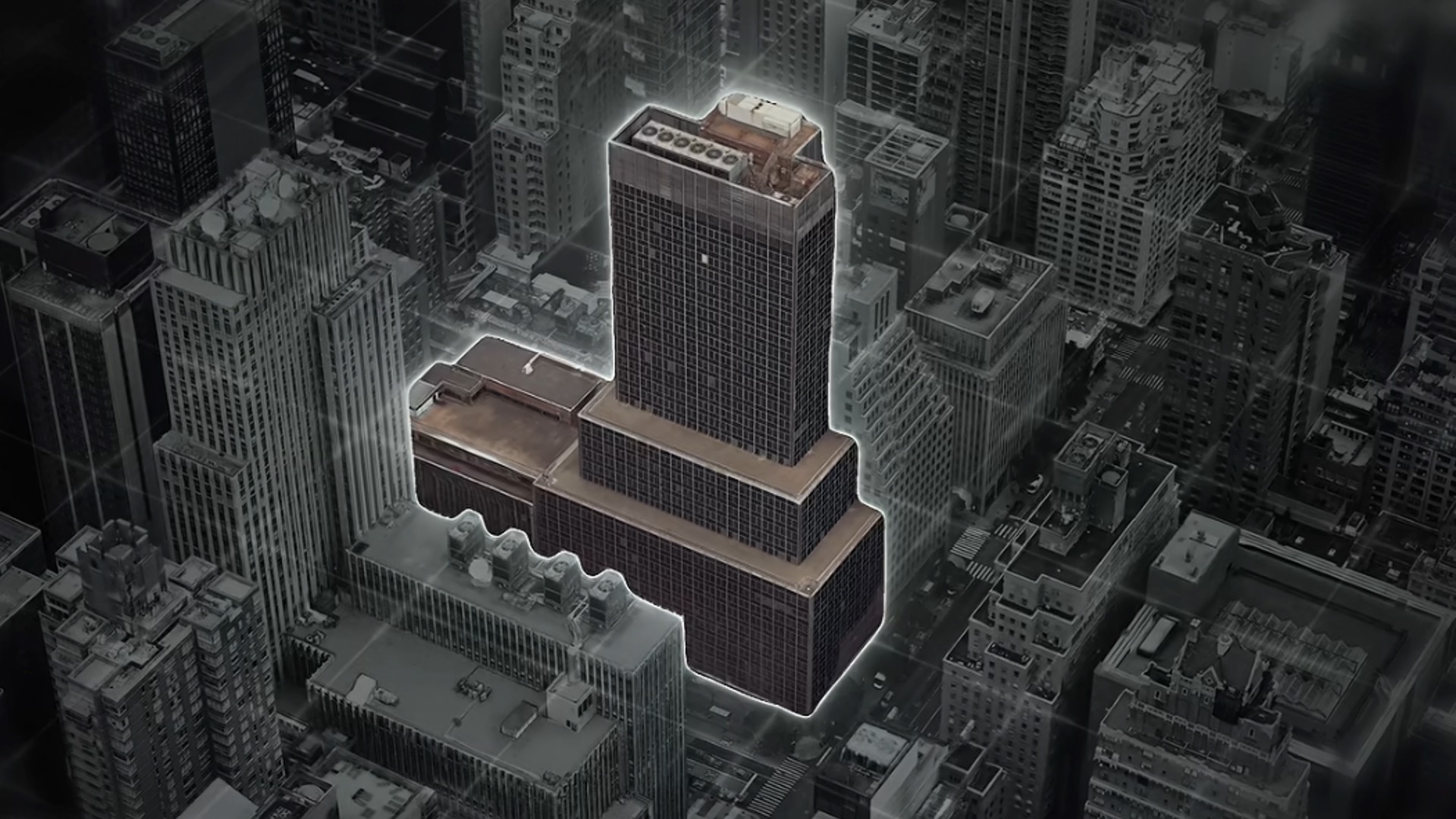
Why NYC Needs a $119BN Mega Sea Wall
- Youtube Views 716,344 VIDEO VIEWS

22 June 2026
Video hosted by Fred Mills. This video contains paid promotion for Odoo.
THE NEW YORK MEGA SEA WALL is a real project proposed by the US Army that eventually, in some form, will be built. It will be the first thing you’d come across if you were a hurricane approaching Manhattan. From the Rockaways to a strip of land in New Jersey south of Staten Island is an enormous wall nearly 10 kilometres long. This is a Mega Sea Wall. So big, it needs its own classification.
It’s one of the most controversial infrastructure projects ever proposed for the world’s most famous city. But it isn’t the only drastic flood defence New York is considering. There are a number of major projects that are now built or being constructed to stop the seas from rushing in. Why? Because it’s happened before. And it’s going to be a lot worse in the future. It’s part of the $119BN plan to save New York.
A city underwater?
It’s a popular sci-fi trope: the New York city skyline submerged under water, the city in ruins. Our worst fears about the future come true. But is New York actually preparing for this? Well, yes. Over the last few years New York has been quietly retrofitted to be flood-proof. Steel doors go across all tunnels under the city, critical mechanical floors are now on the tops of skyscrapers instead of the bottom, and East River Park was built 8ft higher than it needed to be. But why is there such urgency for all of this infrastructure?
On October 29, 2012, Hurricane Sandy made landfall and the impact was devastating. The superstorm hit New York with brute force. Severe flooding inundated about 17% of New York City’s entire footprint. 2.5M residents lost power. 35,000 were displaced in forced evacuations. At least 286 people were killed either directly or indirectly. The storm surge overtopped sea walls and poured into subway tunnels, turning parts of the transit system into waterways and crippling the below-ground transport network.
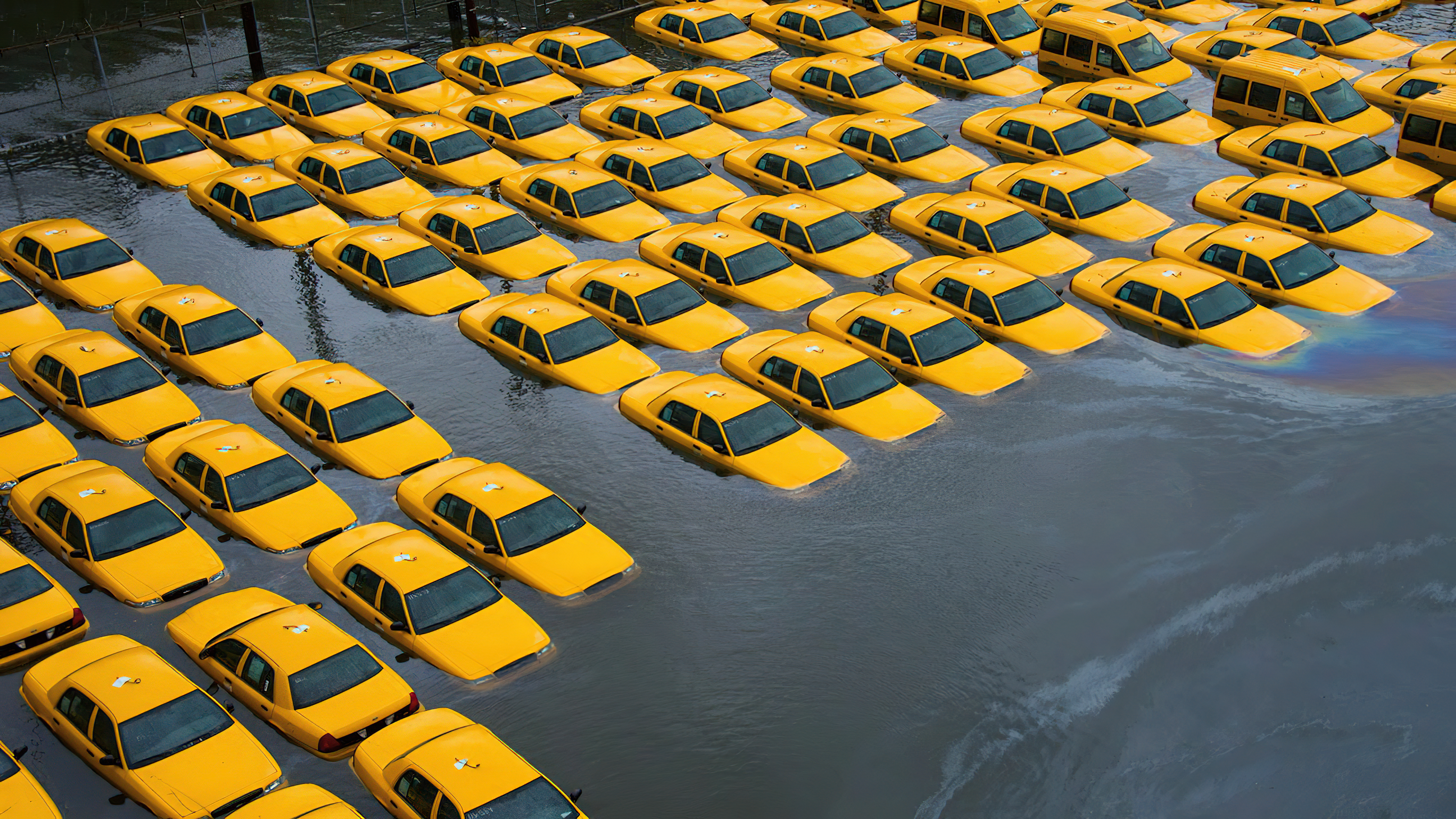
Above: Hurricane Sandy decimated New York City. Bjarke Ingels Group.
Tens of thousands of homes were damaged or destroyed. Seawater poured into Lower Manhattan. Basements filled rapidly, electrical systems were fried within minutes. Once those systems failed, New York’s iconic skyscrapers went dark.
The cost to the city was more than $19BN from both physical damage and lost economic activity. Superstorm Sandy exposed vulnerabilities in New York’s infrastructure. The city was relying on old systems that could not protect a massive urban area with much of its critical infrastructure at or near sea level. New York, effectively, had to go back to the drawing board or risk disappearing underwater. So, how do you stop a Sandy-scale storm - or worse - from flooding New York again?
The next year the Disaster Relief Appropriations Act was signed into law authorising a comprehensive examination of this very question. The federal government tasked the Army Corps with answering it. They came up with five solutions, but we’re going to talk about the most radical of them.
A mega sea wall
It wouldn’t be a single structure. Instead it would be a series of man-made islands with retractable gates. A network of large storm-surge barriers, floodwalls, levees, and nature-based defences, anchored by five major harbour-scale barriers at strategic choke points. It would be a system designed to protect more than 25M people across New York City, Long Island, northern New Jersey, and the Hudson Valley.
These movable barriers would remain open under normal conditions, allowing ships, tides, and ecosystems to function and close only during extreme storm events. In a similar way to the Thames Barrier in London or the sea walls in Rotterdam. The Thames Barrier, like the New York mega-wall is not a continuous wall, but rather a system made up of multiple movable gates.

Above: The mega sea wall would be unprecedented for New York.
During normal conditions, the gates lie flat on the riverbed, allowing ships to pass. When a storm surge is forecast, the gates rotate upward to form a solid barrier across the river. Behind these barriers the plan included raised seawalls and levees, flood-proofed ports and wastewater plants. There was also elevated infrastructure, restored wetlands and oyster reefs to absorb the force from strong storms and waves.
It was an enormously scaled idea designed to hold back catastrophic storm surge rather than everyday flooding. Within the mega-wall’s borders would lie much of Manhattan, including the Statue of Liberty. Supporters of the project liked how far it was from the city. Saying it would be the best solution for protecting the most people and properties without obstructing or ruining views of the sea.
A blunt instrument
Critics, however, have called it a rather blunt solution. One that doesn’t address several other threats and could even make matters worse. The wall would only protect the city from storm surges and not flooding from high tides and storm runoff, problems that would come hand in hand with rising sea levels. It could even trap sewage and toxins, turning New York’s harbours into a sort of swamp.
The Natural Resources Defense Council pointed out that when it rains storm water and sewage systems can back up allowing for more waste to flow into the waterways. The barrier could, as horrendous as it sounds, trap this waste and bring it back closer to shore. The wall would also change the natural currents in the Hudson River, having potential adverse effects on wildlife and marine life.
None of that is to mention one of the biggest issues: a giant sea wall would be incredibly complicated. The proposed barriers would need to withstand category-3 level hurricanes, sea-level rise projected through 2100, ice, debris, shipping impacts, and failure redundancy. Any barrier would need sign-off from New York City, New York State and New Jersey - and they would be expected to cover 35% of the cost. The remaining 65% would require approval from Congress.
And even if they managed to get approval and funding, a project like this isn’t exactly built overnight. The whole project would take an estimated 25 years to build. That’s a quarter of a century to construct… something like that you’d think would be built to last. It turns out, it might not be. Opponents have pointed out that the Corps’s estimates of future sea levels are far too low. The Corps, on their part, have argued that they could modify the design for higher seas.
But what about the other four options the Army put forward? Three involved a series of smaller sea walls placed at the beginning of several New York City waterways. The fourth consisted of a number of shore-based projects. But none of them were as ambitious or all-encompassing as the wall.
But would the wall actually work? In New York, thousands of people objected to the wall. Public hearings were held and a decision was put off until 2022…
A new $50BN plan
The result was the New York - New Jersey Harbor and Tributaries Study. This report was the result of more than a decade of modelling sea-level rise, storm surge, and coastal flooding across the region. The report included a revised plan for the wall. Instead of $119BN it would now cost a mere $50-53BN.
The still enormously expensive project would be broken into smaller, more manageable segments. This includes dozens of kilometres of shoreline barriers and about a dozen storm-surge gates at strategic waterways around New York and New Jersey.
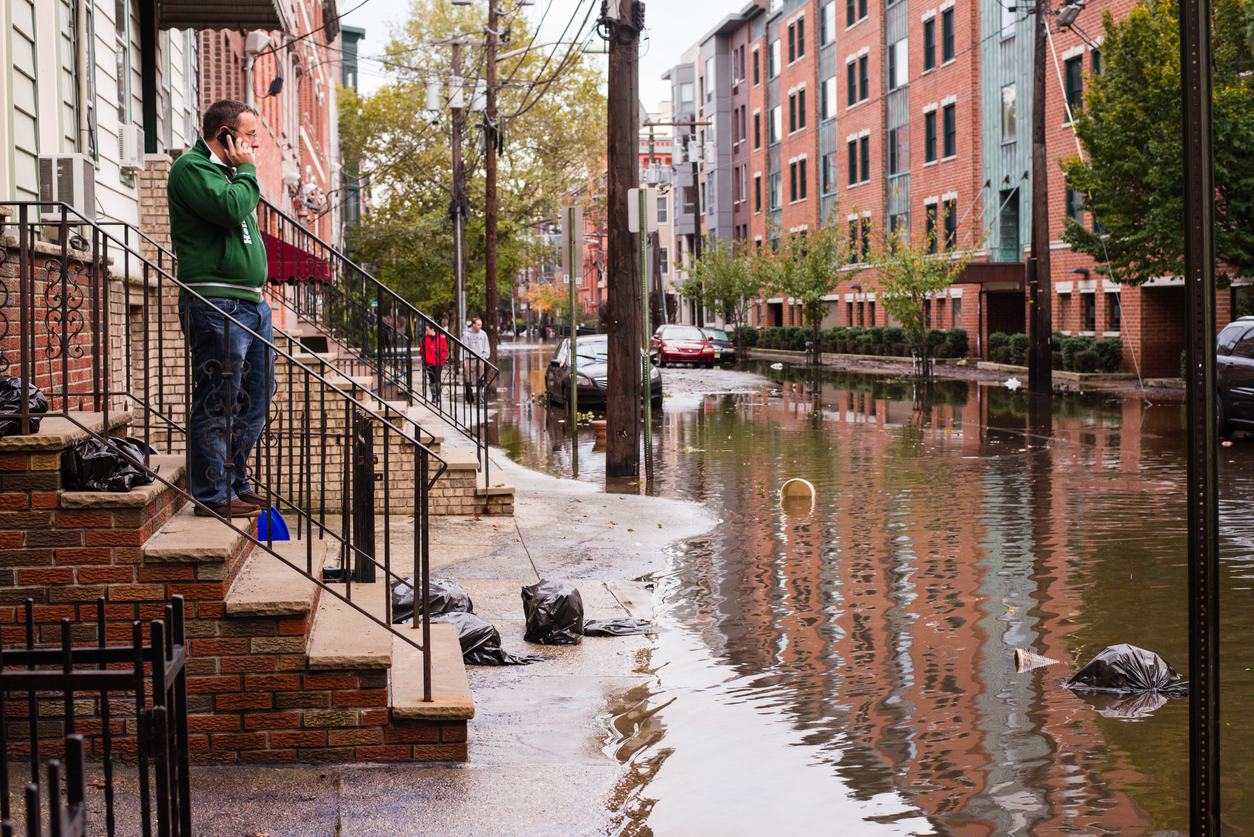
Above: Catastrophic flooding is expected to get worse for New York.
This tentatively selected plan is referred to as Alternative 3B. It is hoped that construction will begin in 2030, and instead of taking 25 years to build it will take just a decade. Rather than building the full mega-barrier at once, the priority is building smaller, more immediate measures that can be implemented sooner and don’t require federal funding immediately.
This includes 12 movable barriers at major tidal straits and creeks. As well as floodwalls, seawalls, levees, and elevated promenades along dozens of miles of shoreline in New York City. These may eventually be folded into a larger system if the full plan moves forward.
Don’t worry, it’s not all doom and gloom. There are actually a number of infrastructure projects being built right now to protect the city.
What’s happening right now
There’s the multi-billion flood resilience project at Battery Park - that’s this part here at the southern tip of Manhattan. They’ve built sea walls and flood barriers and even raised the entire park up to prepare it for up to 6 feet of sea-level rise by 2100, protecting it for at least the next 80 years. But Battery Park isn’t a standalone project. It’s part of a mosaic of defense systems all over the city.
The new Climate Exchange building on Governor’s Island has been built with flood resilience in mind. It even has an AI monitoring system to keep an eye on storm surges.
On Manhattan’s Lower East Side, one of the most ambitious urban climate-adaptation projects in the United States is quietly reshaping the edge of the city. This is the East Side Coastal Resiliency project, or ESCR. It comes from Bjarke Ingels' architecture studio BIG. Instead of just a barrier wall, BIG has transformed the land along New York City’s East River into a public landscape.
Stretching roughly 3.8 kilometres from Montgomery Street to East 25th Street, the project forms a continuous flood-protection system along the river, defending some of Manhattan’s most vulnerable communities. At a cost of around $1.45BN, it is one of the largest climate-resilience investments New York City has ever undertaken and aims to shield over 110,000 residents, as well as transport links like the FDR Drive and key utilities that serve much of Lower Manhattan.
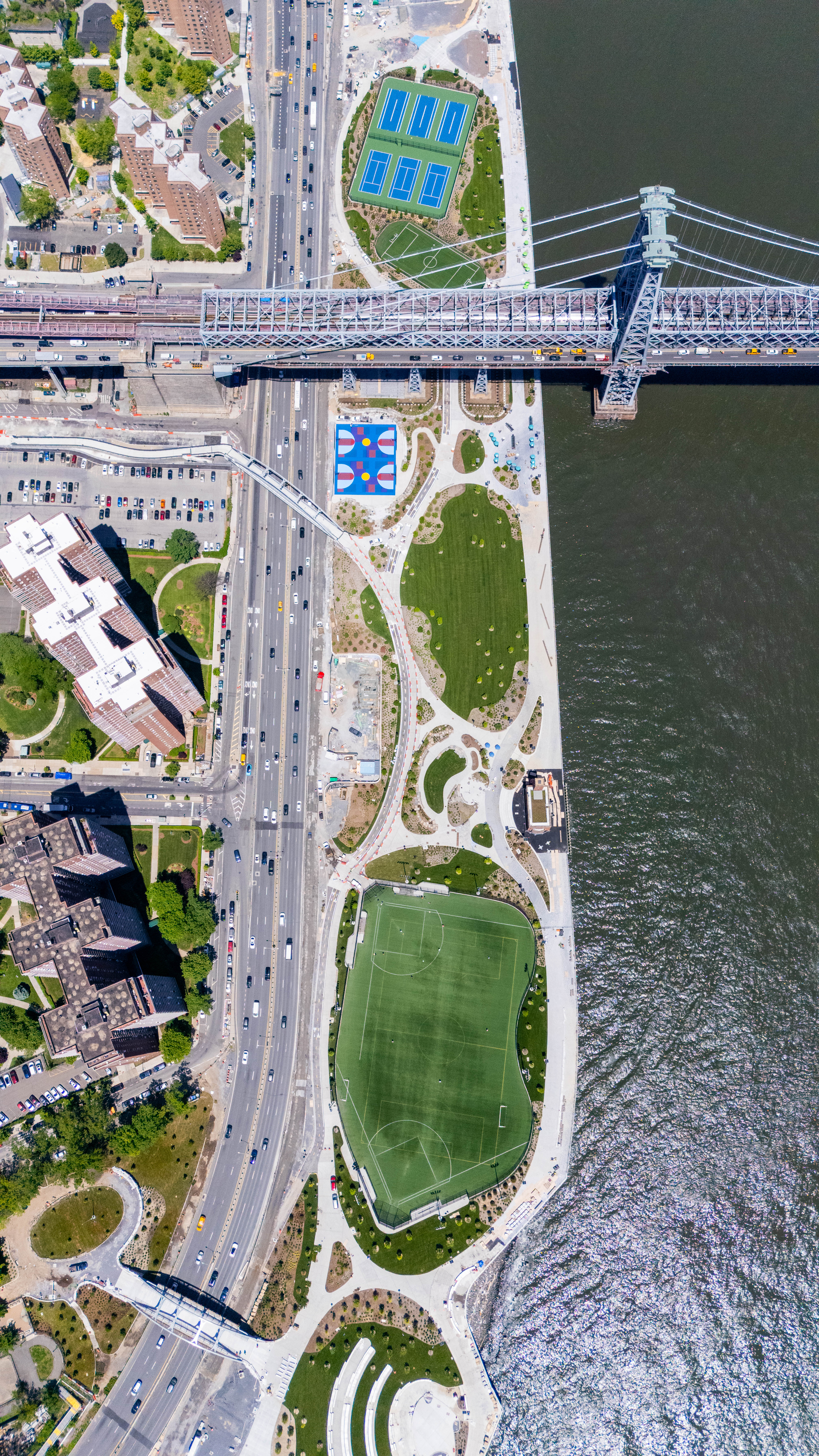
Above: Real flood defence strategies are being incorporated right now.
Instead of separating the city from the river, the design creates a continuous series of elevated green islands and public spaces that incorporate flood resilience. These elevated landscapes, linked with paths, promenades, steps and bridges, combine flood protection with parks, sports fields, gardens, play areas and social spaces.
Flood-mitigation elements like deployable flood gates are integrated into the topography so they preserve views and water access when not in use. The centrepiece is East River Park, which is being rebuilt as a raised, re-engineered landscape. Large sections of the park are being elevated by 2 and a half to 3 metres, high enough to block storm surge projected well into the future, including sea-level rise. The scale of the engineering challenge is immense. Entire sections of the existing park have been demolished and rebuilt from the ground up. Thousands of mature trees are being removed, stored, and replanted.
Construction began in 2021 and will continue in phases through the mid-2020s, with sections of the park reopening as work progresses. In the bigger picture, ESCR represents a shift in how cities respond to climate risk. It shows that resilience is no longer just about emergency response, it’s about redesigning urban landscapes to live with water, not simply fight it.
Along came Mannahatta
But this is New York, this city is still going to dream up some dizzyingly audacious ideas. Take a look at Mannahatta. Proposed by an economics professor at Rutgers University it dreams up an entirely new borough to be dredged from the sea. This would go some way to providing flood relief, and with New York’s skyrocketing property prices, building more land may one day be an absolute necessity. For now, this concept is still firmly on the drawing board.
This problem is not limited to New York City. Nearly 58% of the global urban population live in coastal cities. As storms get fiercer and sea levels rise mega sea walls may have to become the norm. And while a smaller solution is paving the way for now, that $119BN wall across New York is still very much in the pipeline.
Try your first app free for life at Odoo by heading to the link here.
Additional footage and images: Bjarke Ingels Group, Warner Bros., CBS News, 20th Century Studios, ABC, Lisa Lipkind, NYTimes and Natural Earth.
We welcome you sharing our content to inspire others, but please be nice and play by our rules.
Comments