
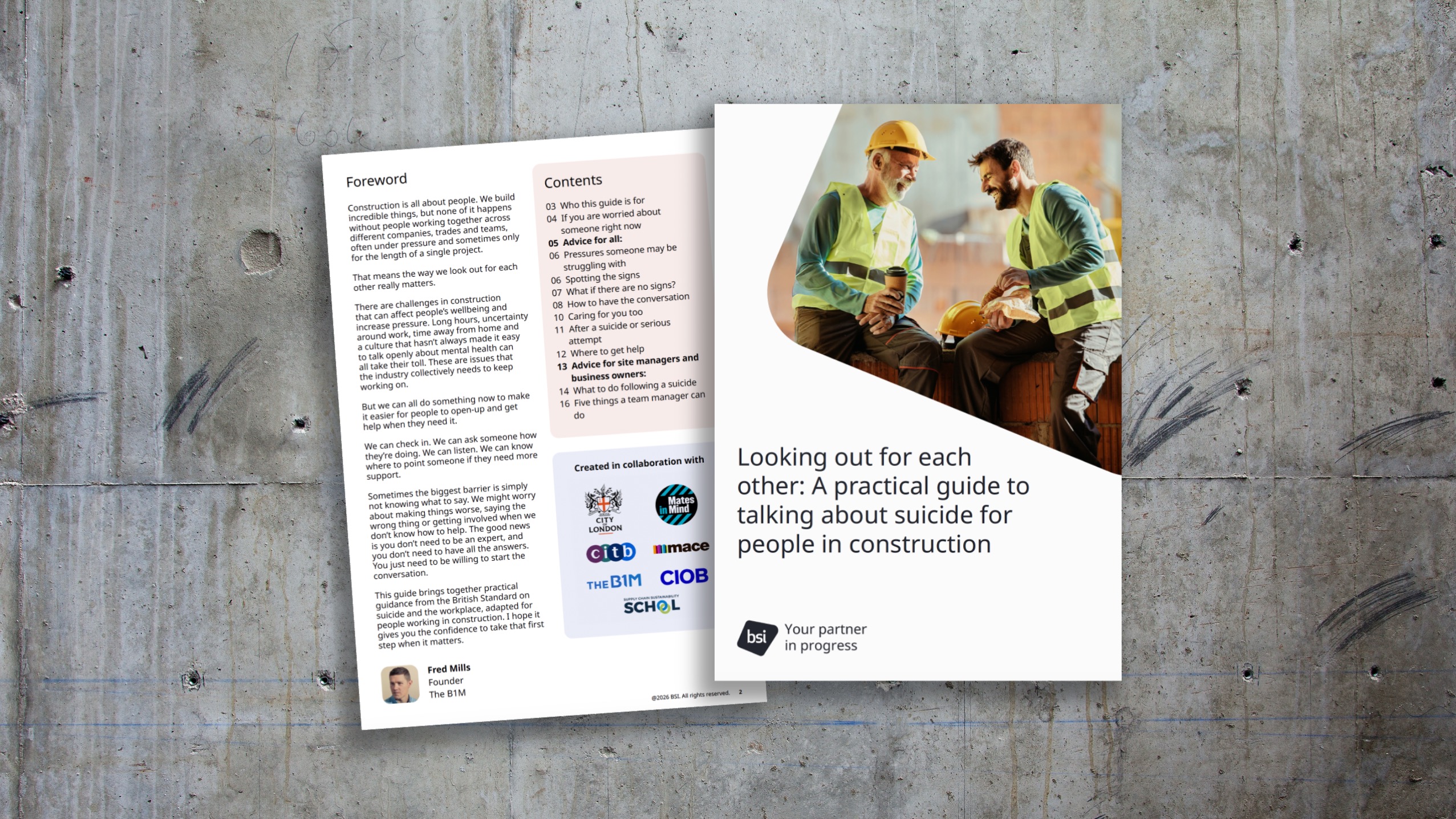
BSI guide aims to help construction workers have life-saving conversations
.png?updated=1792163918
)
A new practical guide, published by the British Standards Institution (BSI) in collaboration with Fred Mills, The B1M team, and organisations across construction aims to give people the confidence to recognise when someone might be struggling, start difficult conversations and help them find support.
Construction is an extraordinary industry. It brings people together to deliver incredible projects, often overcoming immense technical and logistical challenges along the way.
But behind every project, every programme and every structure are people – and looking after those people must be one of our greatest priorities.
Suicide remains one of the most difficult subjects to discuss, both within construction and across our wider society. Yet being willing to have those conversations, and knowing how to approach them, can make an enormous difference.
That’s why The B1M’s founder Fred Mills has worked with BSI and a number of leading industry organisations to develop Looking out for each other: A practical guide to talking about suicide for people in construction.
The free resource takes guidance from BS 30480, the British Standard on suicide and the workplace, and makes it accessible and relevant to people working in construction.
The aim is simple: to help more people feel confident recognising when someone might need support, knowing what to say and understanding what to do next.
The guide’s publication comes as The B1M’s global mental health initiative, Get Construction Talking, approaches almost $1M in funds raised for construction mental health charities around the world.
Founded to raise awareness and drive action around mental health, Get Construction Talking has reached more than 30M people, brought the industry together at major events across four continents, published an action plan and helped inform international policy.
Tackling a difficult subject
In recent years, construction has made notable progress in recognising the importance of mental health and wellbeing, but significant challenges remain.
Long working hours, financial pressures, uncertainty around future employment, time spent working away from home and the sometimes-isolating nature of the industry can all affect people’s wellbeing.
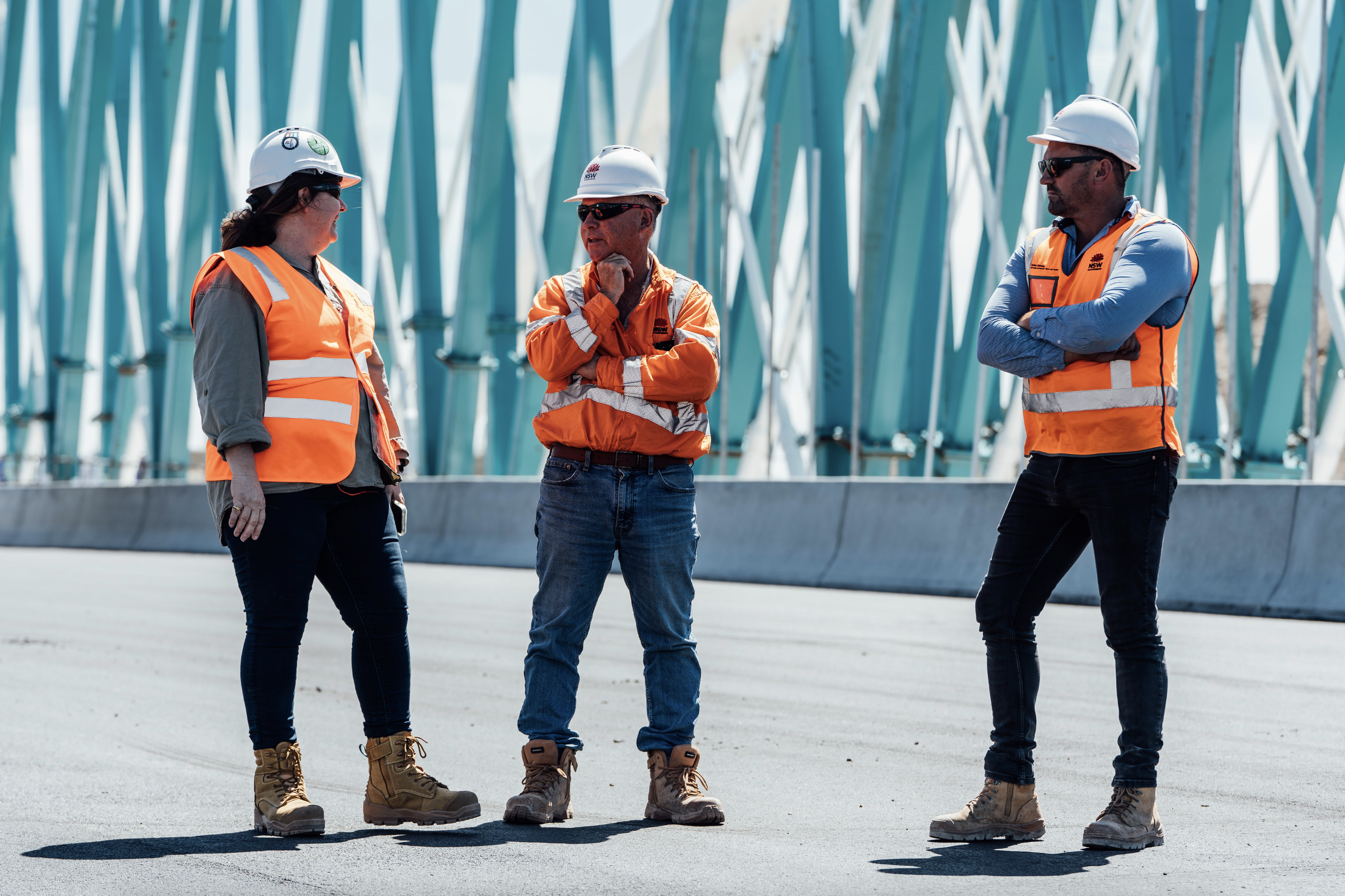
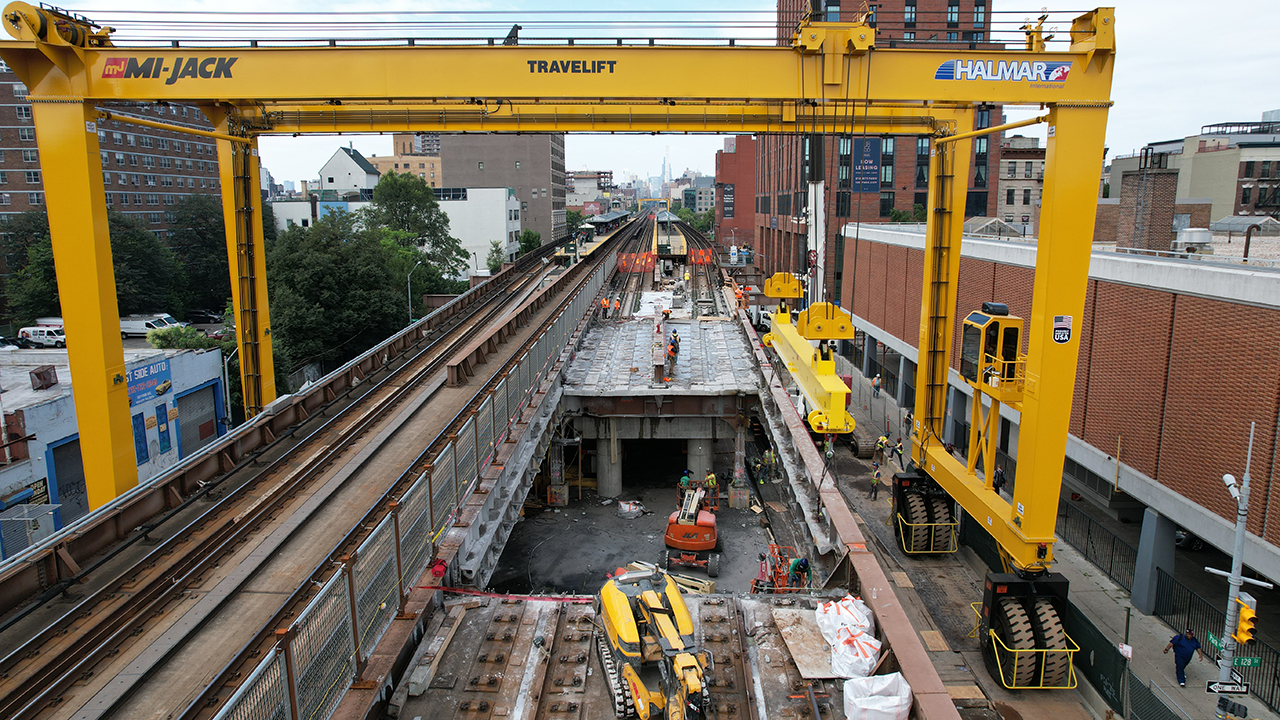
Above: Construction can put people at heightened risk of poor mental health. Image: Mates in Construction.
Of course, suicidal thoughts are rarely the result of a single issue. Personal circumstances, relationships, health and experiences outside work can all contribute. The industry cannot solve every challenge someone might face, but it can create environments where people feel able to talk openly and access support.
That starts with recognising that conversations about mental health and suicide are not exclusively the responsibility of specialists.
You don’t need to be a mental health professional to notice that someone is struggling. You don’t need to be an expert to ask how someone is doing. You don’t need to have all the answers to make a difference.
Sometimes, simply being willing to start a conversation is the most important first step.
Practical advice for everyone in construction
The guide has been designed to be useful regardless of someone’s role or the size of the organisation they work for.
It offers straightforward guidance on recognising potential warning signs, approaching someone who may be experiencing suicidal thoughts, listening without judgement and helping them access professional support.
Crucially, it also explains what to do when someone appears to be at immediate risk, and how to support colleagues following a suicide or serious attempt.
Rather than focusing solely on policies and organisational strategies, it addresses the practical questions that can prevent people from taking action.
The guide also includes dedicated advice for site managers and small business owners, recognising that many construction businesses operate without dedicated HR departments or substantial wellbeing budgets.
A responsibility we all share
The publication has been developed with contributions from organisations including Mates in Mind, CITB, Mace, CIOB, the City of London Corporation and the Supply Chain Sustainability School.
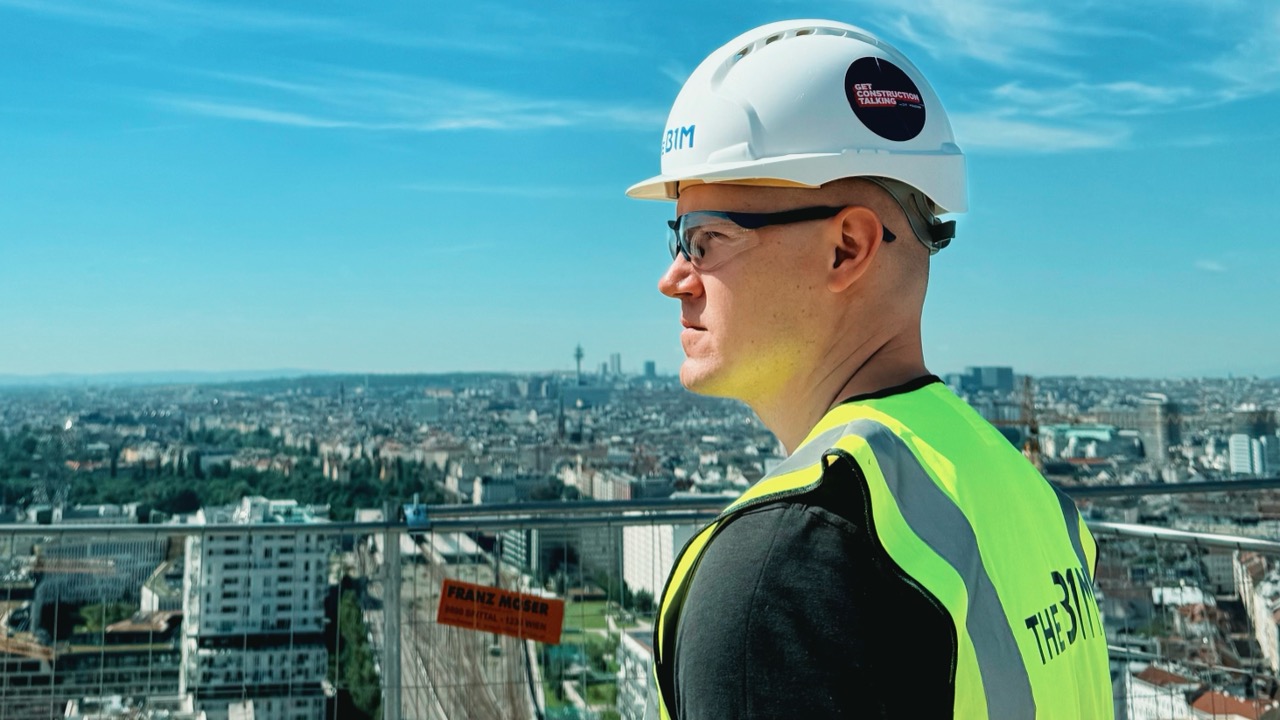
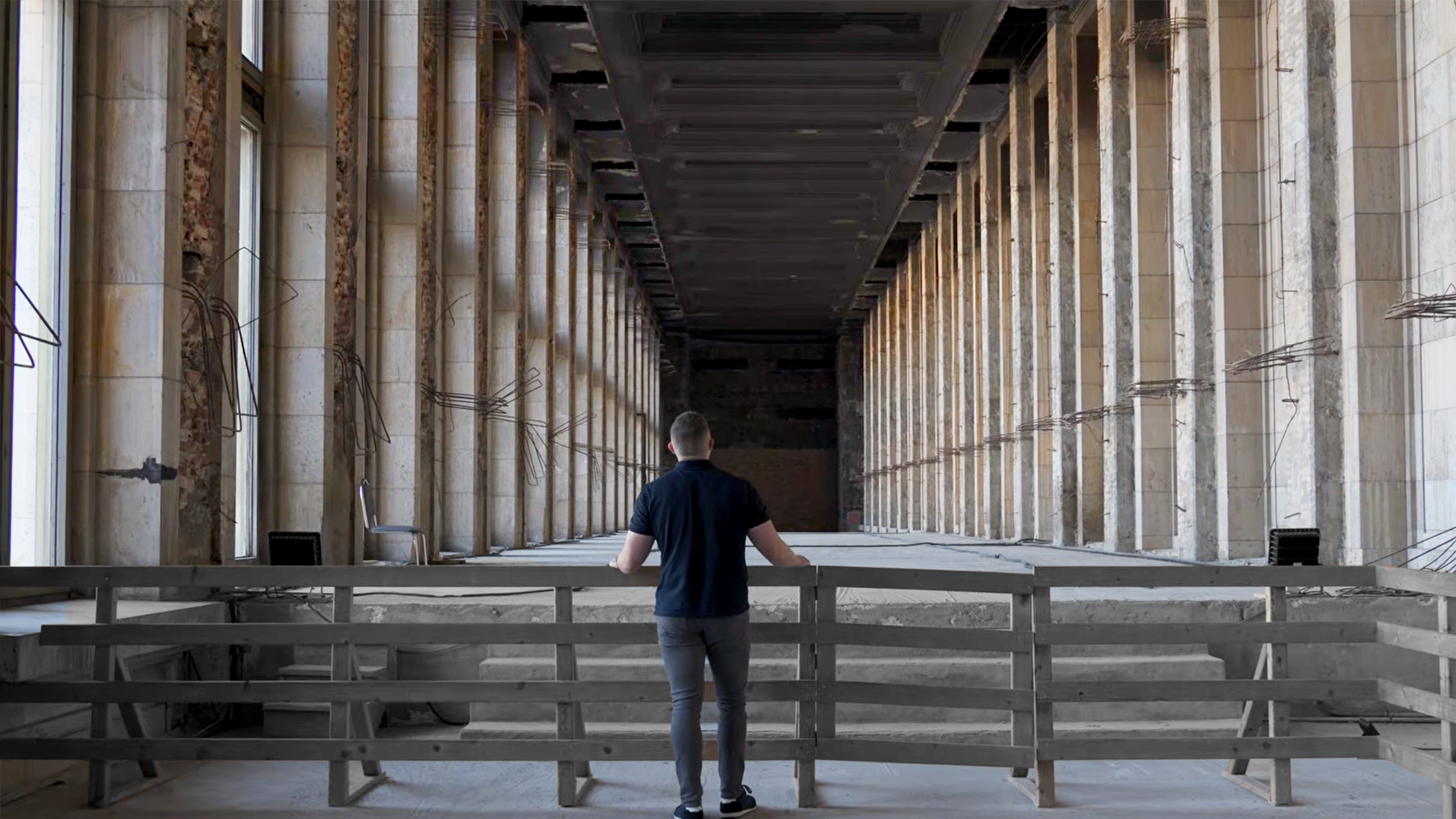
Above: The B1M's founder, Fred Mills on site in Austria.
Fred Mills, founder of The B1M, who co-authored the guide and contributed its foreword, said:
“Construction is all about people. We achieve extraordinary things together, but none of that matters if we’re not looking after the people who make it possible. One of the biggest barriers to helping someone who’s struggling can be simply not knowing what to say.
“This guide is about breaking down that barrier and giving everyone across our industry the confidence to start those conversations. I would encourage every construction business, site manager and worker to download it, read it and share it. Looking out for each other should be as much a part of construction as the things we build.”
The guide is available free from BSI and is intended to be shared across construction businesses, workplaces and project teams.
Comments