
Why Asia is Getting Another Mega Airport
- Youtube Views 1,235,185 VIDEO VIEWS

07 January 2026
Video hosted by Fred Mills.
SOUTHEAST ASIA is in the midst of one of the most expensive races on the planet.
Well over a hundred million people visited the region last year and that number is climbing rapidly. Several countries are vying to become the mega-port for the region which means billions of dollars are being invested into building some of the biggest airports we’ve ever seen.
But Vietnam’s Long Thanh might just be the most ambitious gamble of them all.
It’s costing an eye-watering $16 billion USD and spans across an enormous 5,000 hectares of land - that’s more than four times the size of London Heathrow. But why is Vietnam building such a massive airport and at such an extortionate cost, will it pay off?
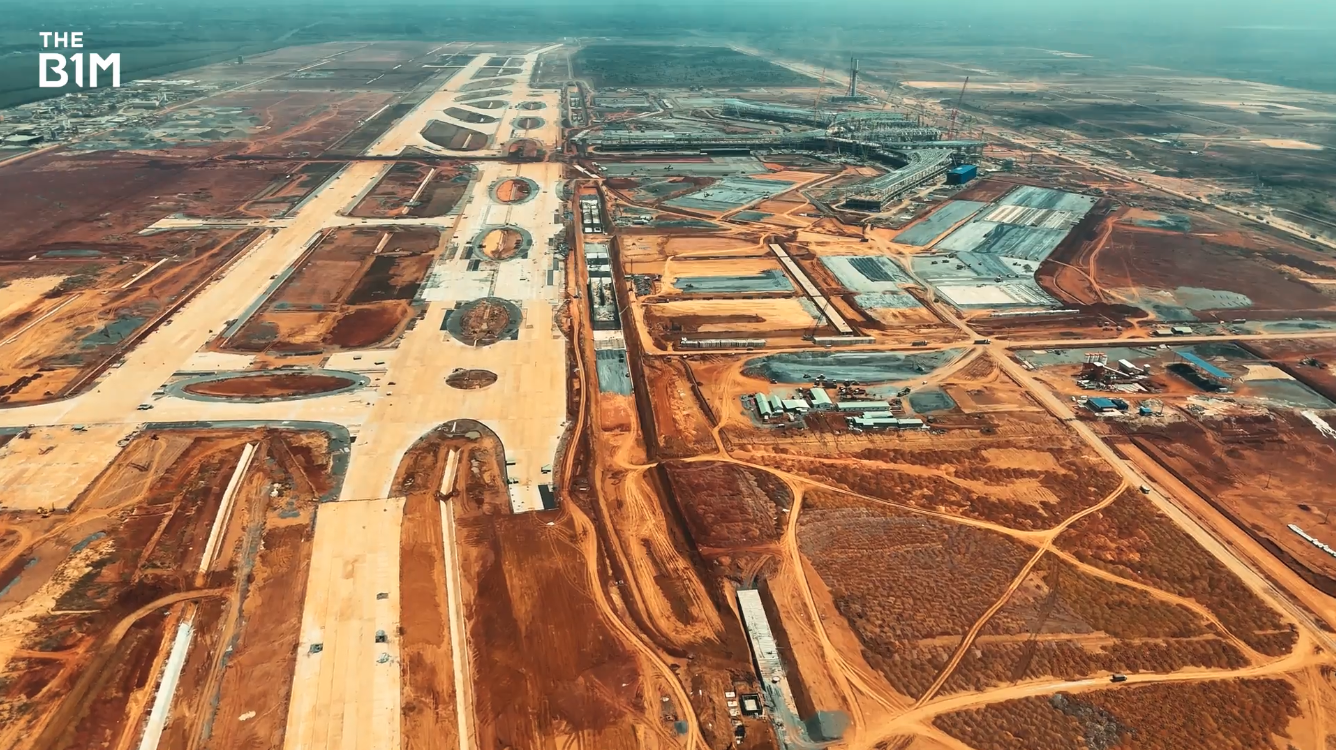
Above: Once complete, Long Thanh Airport will be one of the biggest travel facilities in the world.
Southeast Asia is in demand
Over the next twenty years, Boeing predicts air traffic to Southeast Asia is going to more than triple and while we all know someone who’s backpacked to the region, the numbers go way beyond westerners looking to expand their horizons.
China’s growing middle class and an increasing number of tourists travelling from emerging markets like India means Southeast Asia has experienced a rapid surge in holidaymakers.
But while America has Denver and Europe has Heathrow, the race is on to become Southeast Asia’s next mega-port.
There’s some stiff competition, none more so than Changi in Singapore which has a huge head-start.
It’s already the largest airport in the region welcoming 60 million visitors a year and is regularly referred to as the best airport in the world but seemingly, that’s not enough.
$10 billion is being plunged into building a swanky new terminal: T5. Once complete in the mid-2030s, overall capacity could hit a staggering 150 million.
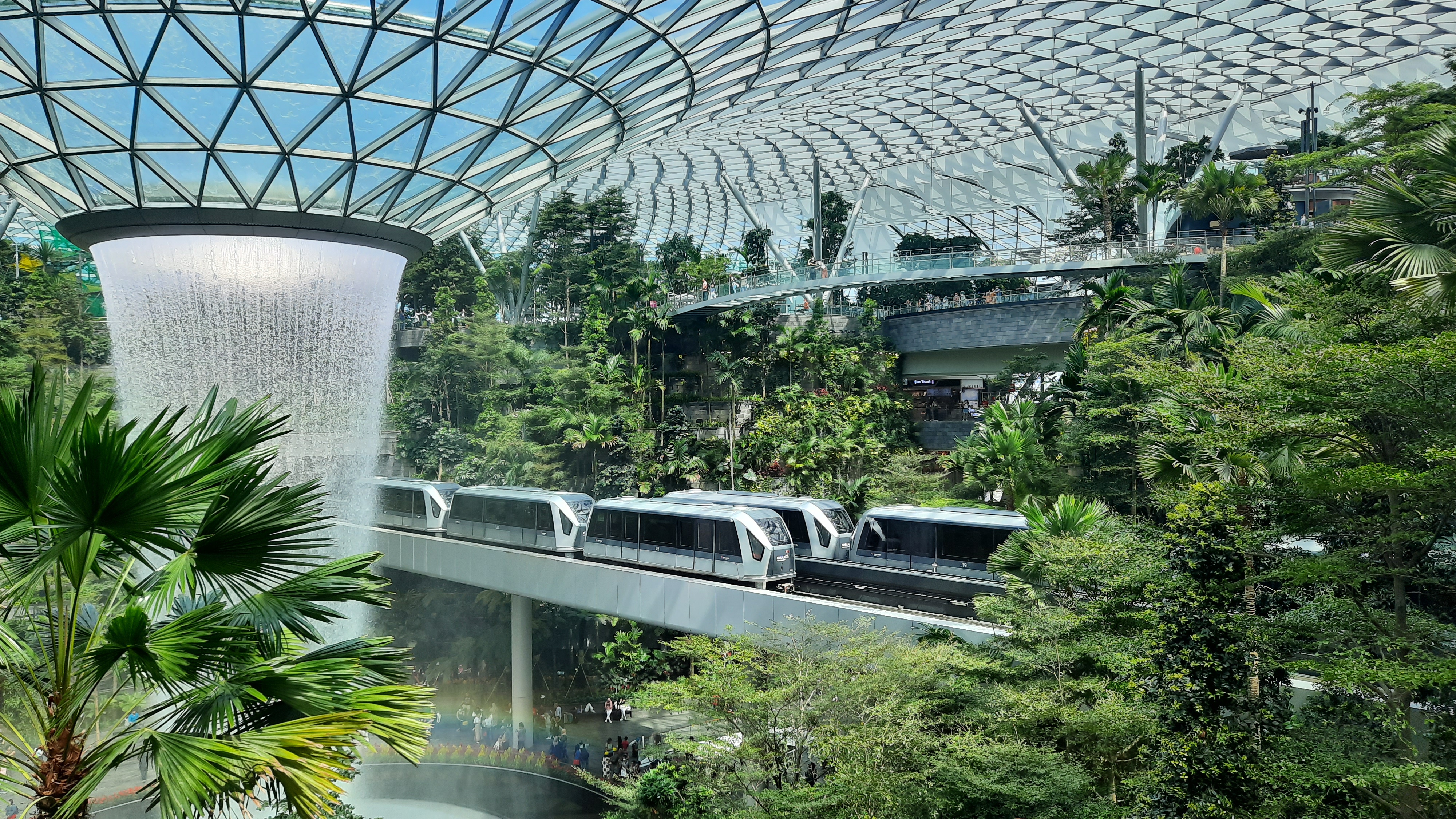
Above: Changi in Singapore is often referred to as the best airport in the world.
In a bid to keep up, Malaysia’s looking to expand its Kuala Lumpur International to welcome 150 million people each year.
Over in Thailand the nation’s key air hub, Suvarnabhumi is going through a redevelopment to up capacity to 120 million and the Philippines is building New Manila International, a whole new $14 billion airport that could welcome 100 million people every year.
However, while we could easily focus our attention on any of these airports individually, it’s Long Thanh in Vietnam that has caught our attention.
It’s going to be a colossus. Once complete, it won’t just be the biggest airport in the region but one of the largest anywhere on the planet and for a meaty $16 billion dollars, you’d hope so.
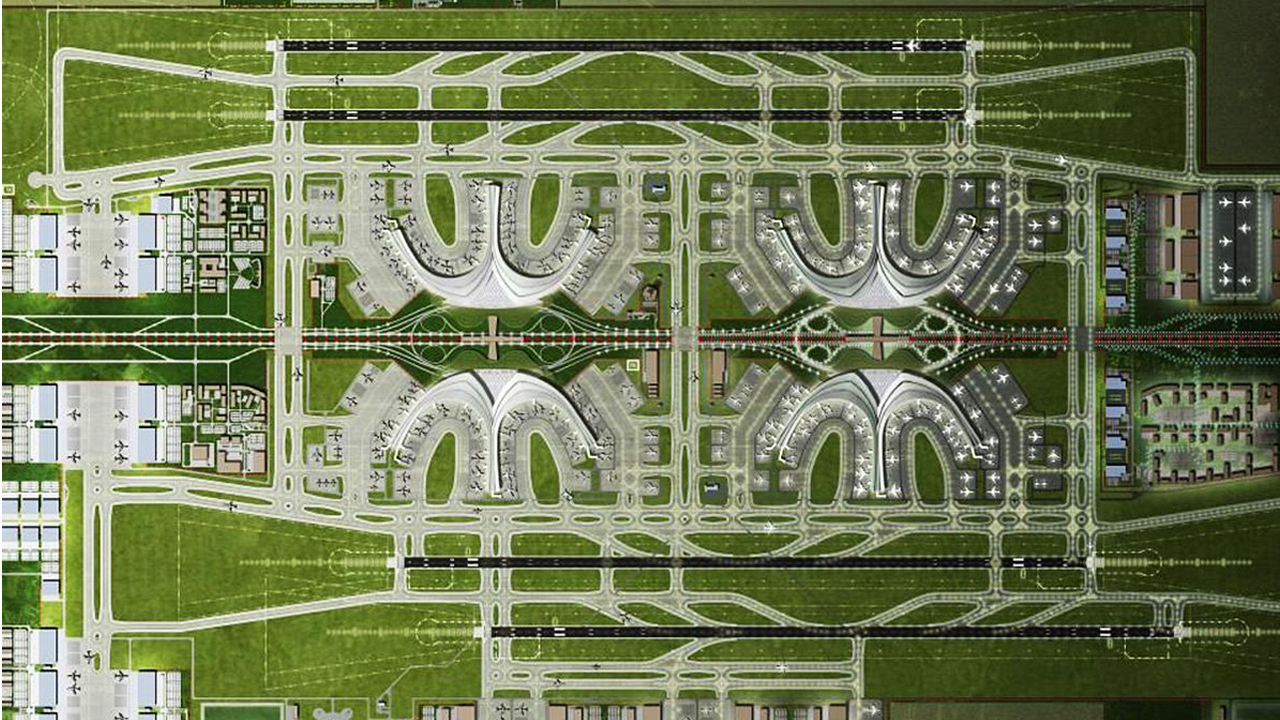
Above: Long Thanh Airport will feature four terminals and four 4,000 metre long runways. Image: ADP Ingénierie
Vietnam's Long Thanh gamble
There are two key reasons Vietnam is building Long Thanh and the first is to do with Tan Son Nhat Airport, 40 kilometres away.
40 million people travel through its terminals every year and while it’s nowhere near the 100 million figure being talked about for Long Thanh, it’s enough to cause a problem.
Tan Son Nhat is oversubscribed and because of its location, there’s no room to expand. Just like Chicago O’Hare or London City Airport, this airport is built right in the middle of a city.
Tan Son Nhat is in the bustling Ho Chi Minh, Vietnam’s most populous city and it’s surrounded by urban development, leaving the airport hemmed in.
Meanwhile, Vietnam’s tourism industry is booming. The country’s experiencing a near 30% increase in international visitors and so now is the perfect time to expand infrastructure.
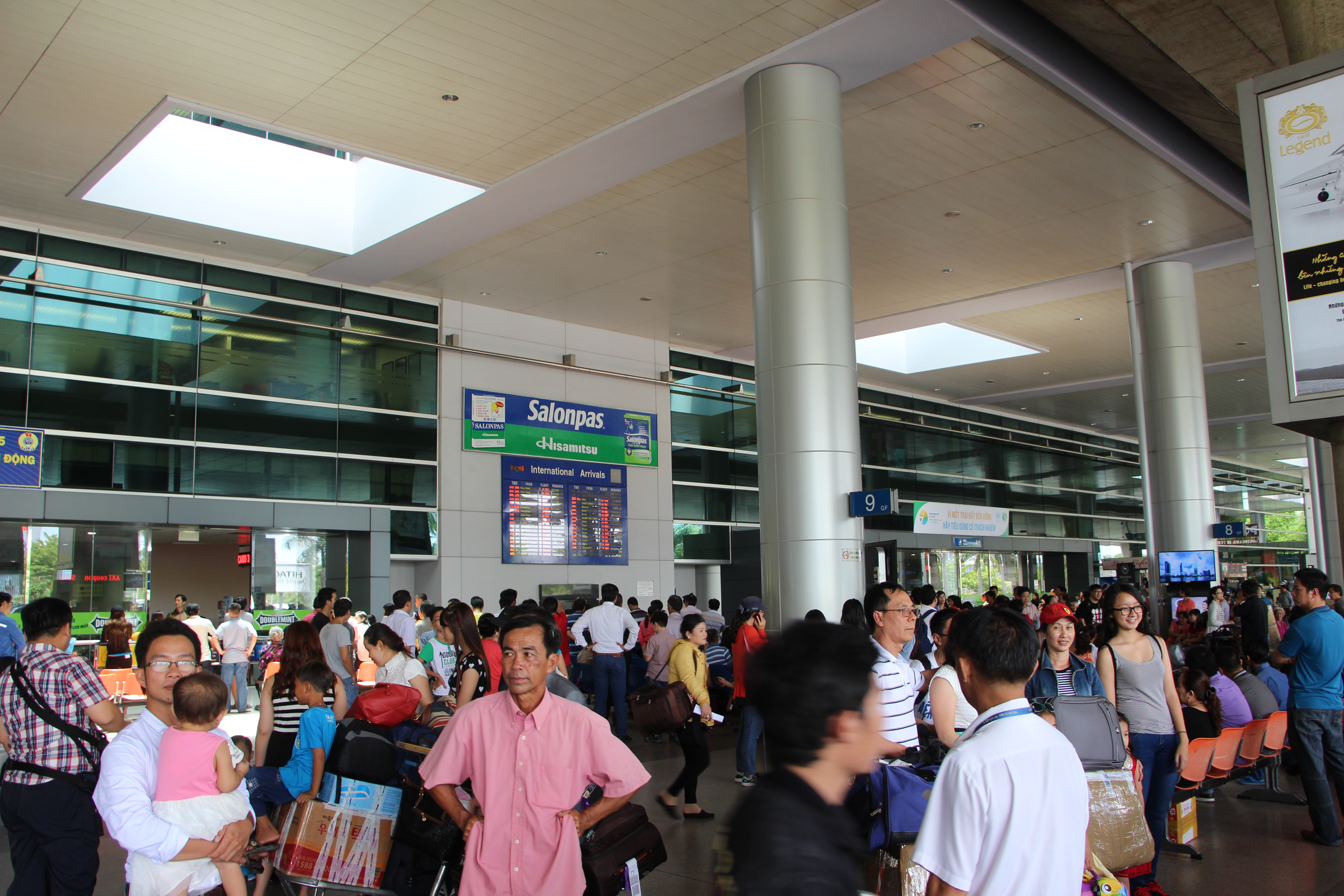
Above: Tan Son Nhat Airport is oversubscribed and can't expand due to its location. Image: Mkckim
Long Thanh may be the solution but this is a whole lot more than just an overflow facility. The plan is to make it the hub of international travel in Southeast Asia.
Once complete, it’ll feature four beautiful, lotus inspired terminals - Vietnam’s national flower - and they’ll be serviced by four gigantic runways, with each measuring 4,000 metres.
The development is being broken up into three phases. Long Thanh is being constructed on a forested area and so during phase one the early focus was clearing and site levelling before any actual building.
In late 2018, it was reported nearly 2,000 vehicles and machines were on site carrying out extensive earthworks including digging, filling and rolling across the entire span of the airport boundaries - a truly monumental effort.
Once the site was deemed ready, the path was laid for construction on the first of the terminals, runways and a control tower.
That first terminal itself spans 373,000m², spread across four floors. The structure and its attached wings are comprised of a steel frame, supported by reinforced concrete columns and beams.
Then above is a spectacular clear span design roof stretching 82 metres. A clear span roof is a ceiling not supported by masses of internal columns and posts, used to create open and breathable spaces on the ground.
The roof is made up of thousands of tonnes of steel, combining to create five layers. Each layer joins with the next to insulate, waterproof and increase the durability of this crucial element and when you look out from the terminal, you can see concrete has already been poured for the first 4,000 metre long runway.
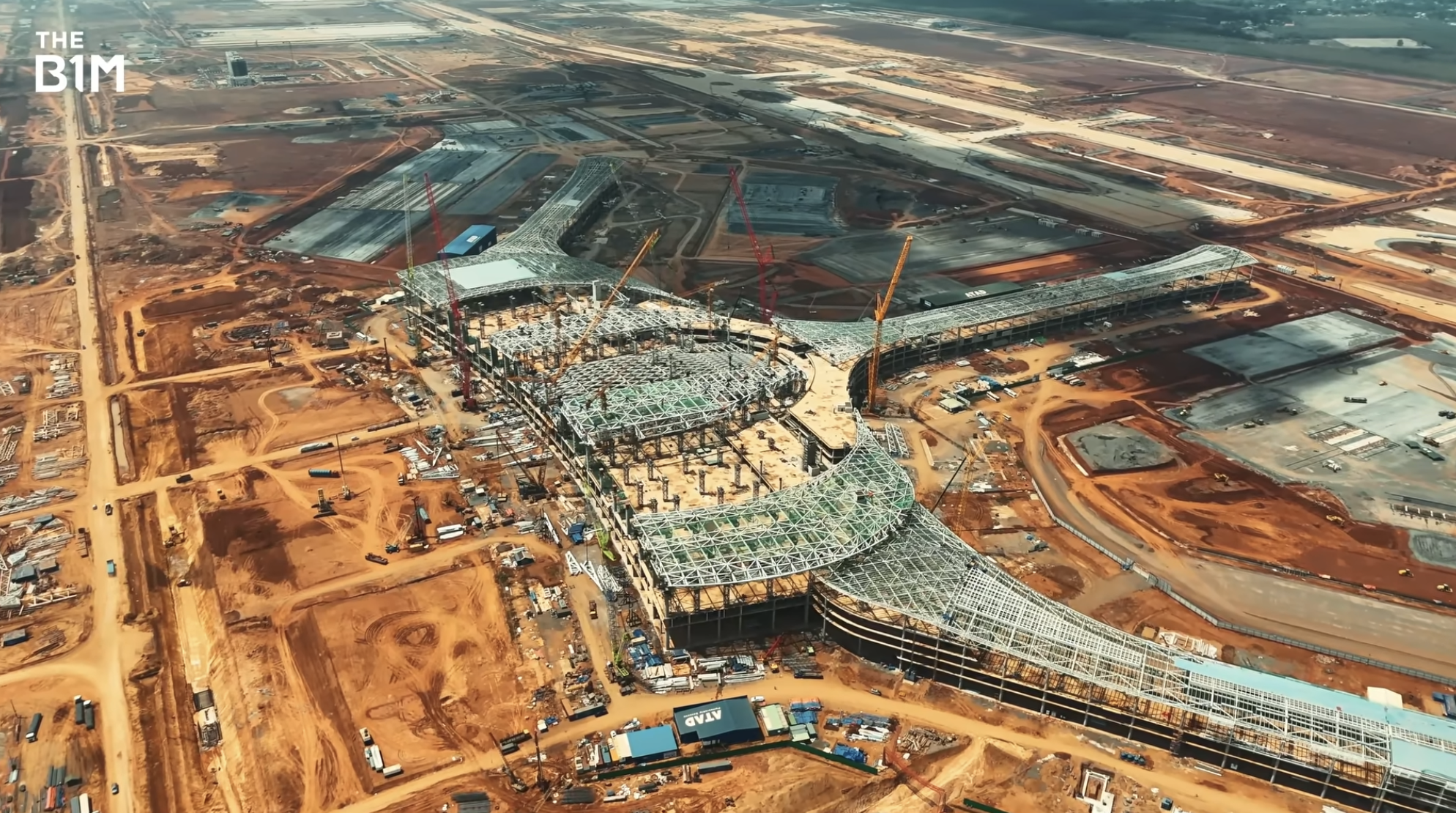
Above: Long Thanh Airport's first terminal features four floors spread across 373,000m².
Beyond that, to organise the entire site once operational, a 123 metre tall control tower, shaped like a lotus bud is being raised. But if you want to get in to see all of this, you’ll have to navigate the 8,668 metre boundary wall, constructed to lock off the Long Thanh Airport site.
By the end of phase one, the airport will be ready to welcome 25 million passengers and 1.2 million tonnes of cargo per year.
Another two terminals and a further runway will be constructed in phase two but it’s the final phase where Long Thanh makes the leap to becoming a world leader.
With the construction of a fourth and final terminal and two more 4,000 metre runways, Long Thanh will become one of the world’s biggest airports.
Capacity will jump to a whopping 100 million passengers and five million tonnes of cargo per year, rivalling the world’s busiest airport, Hartsfield Jackson in Atlanta.
A new road network and two rail lines will then connect the site to Ho Chi Minh.
A turbulent journey
As with any major infrastructure project the construction of Long Thanh hasn't come without its problems and perhaps the most impactful faced so far is dust.
The clouds emanating from Long Thanh are brutal. The site sits on red basalt soil and when it’s disturbed, it sends dramatic plumes of colourful dust skywards.
They've spread far and wide, carried by the wind and on the wheels of the thousands of vehicles coming to and from the site and so residential areas up to seven kilometres away have been covered.
As a result, people have been experiencing breathing problems, with some residents saying the coughing is worse than at the height of the pandemic.
It’s not just the health implications either - crops have been caked in dust and if they can’t photosynthesise, they can’t grow and so quickly die off. As you can imagine, the government is being slated for a lack of preparedness.
When action was finally taken, it was already far too late. Reservoirs were built by the site to water down the ground and speed limits were imposed on vehicles to limit the spread of dust but that didn’t completely fix the issue and a lot of the damage had been done.
But even before work had begun, people were concerned about one thing in particular: the cost. There’s no denying the terminals will be visually remarkable but they don’t come cheap.
To realise the lotus themed design, the structure has to feature a serious number of curves but curved architecture is a lot more expensive to produce than right angles.
Rounded shapes are very technical and work intensive to engineer - beyond the fiddly geometric calculations, certain materials just don’t like to bend. Concrete becomes more brittle in a rounded shape and when it comes to steel, the thicker it is, the harder it is to manipulate because of its density.
You also tend to waste more material when building curves – so all in all, it’s a lot of work for a costly payoff.
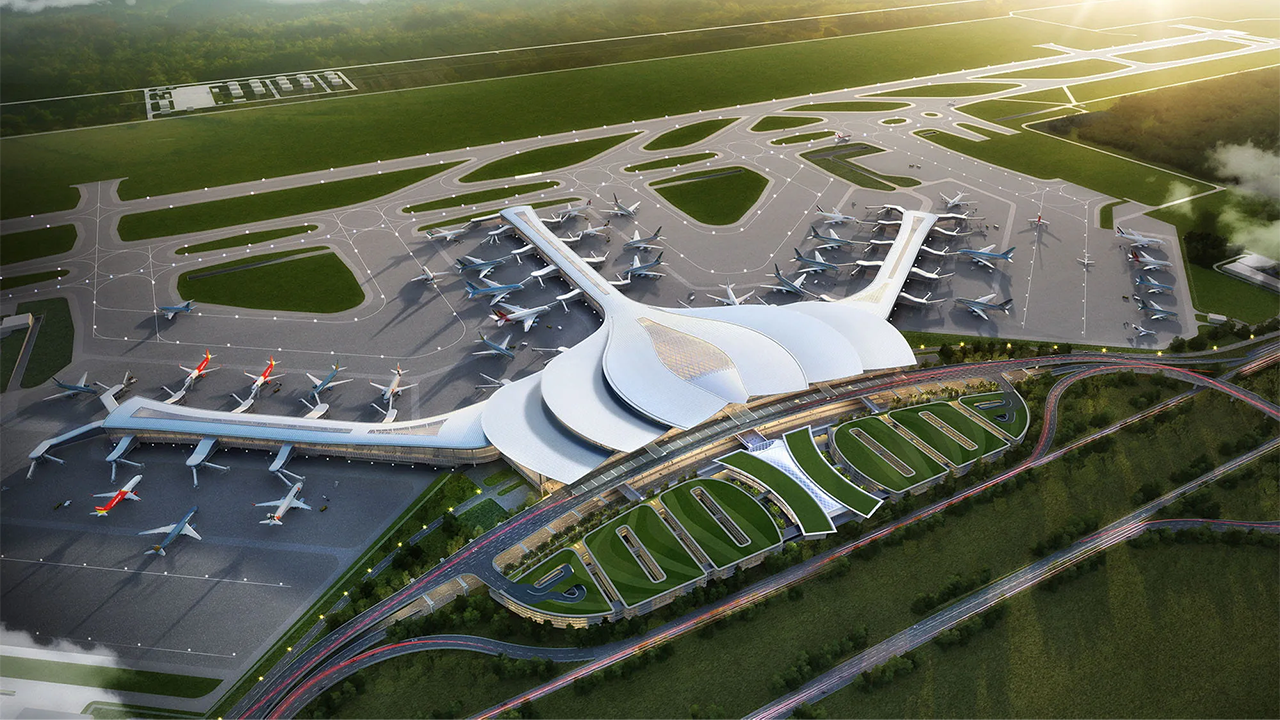
Above: The Long Thanh Airport terminals are inspired by Vietnam's national flower, a lotus. Image: Arup
While Vietnam might now be one of the fastest growing economies in Southeast Asia, when the airport was proposed in 2006, it was in a very different landscape. The nation was near the beginning of its journey to economic growth.
Trade was increasing and poverty was in decline but residents worried the long-term debts loaded onto the government through loans for Long Thanh could set the nation back.
Today, while Vietnam is continuing its financial evolution, there are still concerns over the massive price-tag attached to this airport.
Does Vietnam need Long Thanh Airport?
In the first quarter of 2025, the country recorded the sixth-highest growth in international arrivals worldwide - that’s a massive 30% rise from the same period in 2024 and ranks Vietnam as top-dog in the Asia-Pacific area.
When you couple that with Boeing’s prediction for a tripling of air traffic to the region, it's clear there's travel demand.
The glaring problem is that there are already some big airports in the region that are expanding from a position of strength and while it would be naive to suggest Long Thanh is being built based on anything but meticulous market research, it does feel like a gamble.
However, the people of Vietnam can take comfort in the expansion approach. Long Thanh is being developed in stages, allowing the government to monitor capacity and passenger demand with each phase of work and after all, every great airport started somewhere.
So who’s going to win the race to become Southeast Asia’s next mega-airport?
The safe money would say Changi. It’s already the region’s kingpin and will likely finish its redevelopment long before Long Thanh ever reaches its full potential but given what we know about Southeast Asia’s rapid growth, who’s to say the region could only host one successful mega-hub?
It could go on to become renowned as the world’s centre of aviation and while Long Thanh may not win the race to become its forerunner, don’t discount its potential to become one of the world’s next airport giants.
Additional footage and images: Vietnam News Agency, Toàn BDS, Heerim Architects, Changi Airport Group, BDN 365, Cambodianess, Universe Travel, ITV News, When Realty Bytes, eclecticom: Travels around the world and more, San Miguel Corporation, Vietnam and More, ADP Ingénierie, Kiến Thức Đại Học, VTV24, Báo Tuổi Trẻ, Tạp chí Diễn đàn doanh nghiệp, Báo Pháp Luật TP HCM, VN Express, Báo Sài Gòn Giải Phóng and JetlinerSpotting SGN.
We welcome you sharing our content to inspire others, but please be nice and play by our rules.
Comments